Introduction
When it comes to building furniture for your home office, one of the biggest decisions you will face is whether to use MDF (Medium Density Fiberboard) or solid wood. Both materials have their own set of benefits and challenges. In this article, we will break down when to use each material for your home office projects, guiding you step-by-step to ensure you make the best choice for your needs.
Understanding MDF and Solid Wood
What is MDF?
MDF is an engineered wood product made from wood fibers, wax, and resin. The fibers are combined under heat and pressure to create a dense board. Here are some characteristics of MDF:
- Cost-effective: MDF is generally less expensive than solid wood.
- Smooth surface: It offers a smooth finish that is great for painting.
- Consistent structure: MDF does not have knots or grain patterns, providing uniformity.
- Easy to work with: It can be easily cut, shaped, and drilled.
What is Solid Wood?
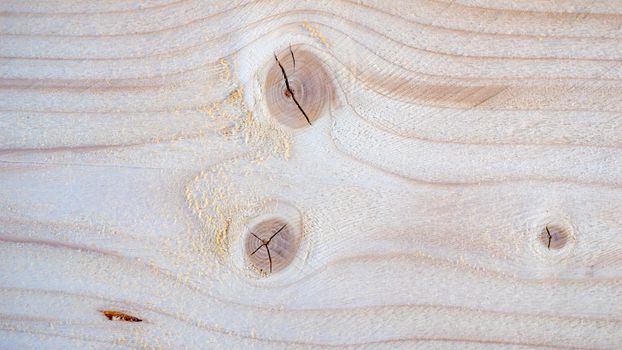
Solid wood is lumber that comes directly from trees. It is known for its durability and natural beauty. Here are key features:
- Durability: Solid wood is sturdy and can last for generations.
- Natural beauty: Each piece has unique grains and patterns, adding character.
- Repairable: Solid wood can be sanded and refinished multiple times.
- Environmental impact: Sustainably sourced solid wood can be more eco-friendly.
When to Use MDF
MDF can be a great option for your home office furniture in certain situations:
- Budget-friendly projects: If you are on a tight budget, MDF is a more affordable option that can still yield great results.
- Painted finishes: If you plan to paint your furniture, MDF provides a smooth surface that takes paint well.
- Simple designs: For simpler projects like shelves or desks without intricate designs, MDF is ideal.
- Lightweight applications: If you need to move furniture frequently, MDF is lighter than solid wood.
When to Use Solid Wood
Solid wood is a better choice in various scenarios, including:
- Durability is key: If you need furniture that can withstand heavy use, solid wood is your best bet.
- Aesthetic appeal: For visually striking pieces that showcase craftsmanship, solid wood shines.
- Long-term investment: If you're looking for furniture that will last decades, solid wood is a wise investment.
- Repairability: In case of damage, solid wood can be sanded and refinished, which is not possible with MDF.
Combining MDF and Solid Wood
Sometimes, the best solution is to combine both materials. For instance, you might construct the framework of a desk using solid wood for durability, while using MDF for the desk surface to keep costs down. This approach allows you to benefit from the strengths of both materials.
Basic Tools Needed for Your Home Office Project
No matter which material you choose, having the right tools can make your project smoother. Here’s a basic list:
- Measuring tape: Essential for accurate dimensions.
- Square: To ensure your cuts are straight and angles are precise.
- Power saw: A circular saw or table saw for cutting your materials.
- Drill: For making holes and driving screws.
- Sander: To smooth edges and surfaces.
- Paint or stain: To finish your project, especially if you choose MDF.
Finding Plans for Your Project
If you are looking for easy-to-follow plans for your home office projects, consider checking out Ted Woodworking. They offer a wide variety of plans that cater to different skill levels, including beginners.
Conclusion
Choosing between MDF and solid wood for your home office projects ultimately depends on your budget, aesthetic preferences, and the intended use of your furniture. By considering the advantages and disadvantages of each material, you can make an informed choice that suits your needs. Remember, both MDF and solid wood can create beautiful and functional pieces with the right approach and tools.
FAQ
1. Can I use MDF for outdoor furniture?
No, MDF should not be used for outdoor furniture as it is not water-resistant and can swell and warp when exposed to moisture.
2. Is MDF as strong as solid wood?
No, MDF is not as strong as solid wood. While it is durable for many applications, it cannot withstand heavy loads like solid wood can.
3. How can I finish MDF to make it look like wood?
You can use paint or a wood veneer to finish MDF. Applying a wood grain pattern or stain can also help achieve a wood-like appearance.
📚 Related Articles
🔨 Want 16,000+ Woodworking Plans?
Get instant access to step-by-step plans with blueprints and cut lists.
Get Instant Access →