When to Consider Custom Wood Projects for Your Home Office?
In today’s world, where remote work has become the norm, the demand for functional and aesthetically pleasing home office spaces is at an all-time high. While pre-manufactured furniture can be convenient, there comes a time when custom wood projects become the better choice. This article will explore when to consider custom wood projects for your home office, focusing on advanced techniques, joinery, precision, and achieving a professional finish.
Understanding Your Needs
Before diving into custom projects, it's essential to assess your specific needs:
- Space Constraints: Measure your available space. Custom furniture allows you to utilize every inch effectively.
- Functionality: Determine what functions your furniture must serve. This could include a desk, storage, or collaborative spaces.
- Aesthetic Preferences: Consider the style, color, and type of wood that will complement your home office.
- Budget: Custom projects can be more expensive than ready-made options, so outline your budget accordingly.
The Advantages of Custom Wood Projects
Once you've assessed your needs, understanding the advantages of custom wood projects can help you make an informed decision:
- Unique Design: Custom projects enable you to create unique pieces tailored to your specific style and requirements. You are not limited by the constraints of mass-produced furniture.
- Quality Materials: When you opt for custom wood projects, you can select high-quality materials that ensure durability and longevity.
- Precision and Craftsmanship: Skilled woodworkers can employ advanced joinery techniques to ensure your furniture is not only functional but also visually appealing.
- Maximized Space: Custom pieces can be designed to fit snugly into your space, maximizing functionality without wasting valuable square footage.
Advanced Joinery Techniques
When considering custom wood projects, understanding the joinery techniques employed can be crucial to the final product's durability and aesthetics. Here are some advanced joinery techniques that can elevate your home office furniture:
- Mortise and Tenon: This classic technique creates a strong joint between two pieces of wood. It is often used in table and chair construction, providing excellent strength and stability.
- Dovetail Joints: Known for their aesthetic appeal, dovetail joints are commonly used in drawer construction. They not only look stunning but also provide a robust connection that can withstand significant weight.
- Box Joints: Similar to dovetails, box joints are a strong option for drawer construction. They are simpler to create and can be just as visually appealing if finished correctly.
- Bridle Joints: Used for frames, bridle joints provide a flat and open joint that can be quite strong. They are particularly effective in constructing desks and shelving units.
Achieving Precision in Your Custom Projects
Precision is key in woodworking, especially in custom projects for your home office. Here are some tips to ensure accuracy:
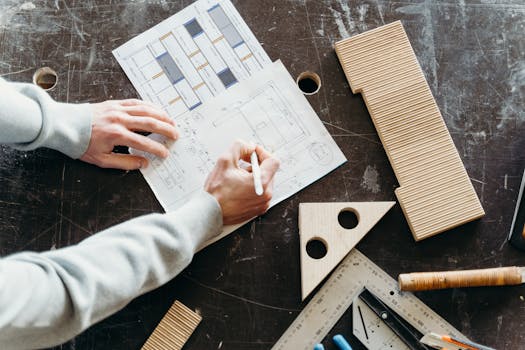
- Accurate Measurements: Always double-check your measurements before cutting. A small mistake can lead to significant issues in assembly.
- Quality Tools: Invest in high-quality tools that allow for precise cuts and joinery. This will not only improve accuracy but also enhance the overall finish of your project.
- Practice Techniques: If you are unfamiliar with a particular joinery technique, practice on scrap wood first to ensure you are comfortable with the process.
Achieving a Professional Finish
The finishing touches can make or break your custom wood project. A professional finish not only enhances the appearance of your furniture but also protects it. Here are some steps to achieving a flawless finish:
- Sanding: Begin with coarse sandpaper and progressively move to finer grits. Sanding is crucial for a smooth surface.
- Staining: If you choose to stain your wood, apply it evenly and wipe away excess to avoid blotches. Test on a scrap piece first to ensure you like the color.
- Sealing: A protective sealant will safeguard your furniture from moisture and wear. Consider polyurethane for a durable finish.
- Polishing: After your sealant dries, consider buffing the surface to achieve a lustrous shine.
Finding Resources for Custom Wood Projects
When embarking on custom wood projects, having access to quality plans can make a significant difference. One excellent resource for woodworking plans is Ted Woodworking. This platform offers a wealth of designs and detailed instructions, making it easier for both novices and experienced woodworkers to tackle their projects with confidence.
Conclusion
Custom wood projects can transform your home office into a functional and stylish workspace. By considering your specific needs and understanding the advanced techniques involved in woodworking, you can make informed decisions that lead to beautiful and durable furniture. Whether you are looking to create a custom desk or a unique shelving unit, the time and effort spent on custom projects will yield long-lasting satisfaction.
Frequently Asked Questions (FAQs)
- How long does it typically take to create custom wood furniture? The time required can vary widely based on the complexity of the project, but expect anywhere from a few days to several weeks.
- Can I design my own custom furniture? Absolutely! Many woodworkers welcome design input from clients, allowing you to create a piece that truly reflects your style.
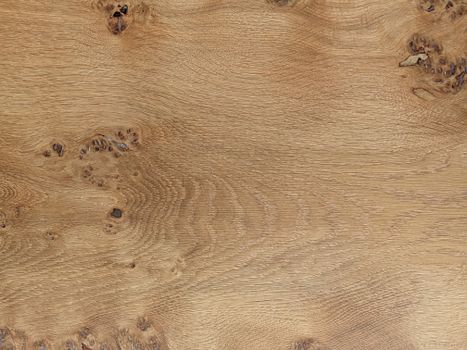
- What type of wood is best for home office furniture? Hardwoods like oak, maple, and cherry are excellent choices due to their durability and aesthetic appeal.
📚 Related Articles
🔨 Want 16,000+ Woodworking Plans?
Get instant access to step-by-step plans with blueprints and cut lists.
Get Instant Access →