Should I Use Veneer or Solid Wood for My Office Furniture?
When it comes to building your own office furniture, one of the most pressing questions is whether to use veneer or solid wood. Both options have their advantages and disadvantages, especially for those looking to create a stylish yet budget-friendly home office. In this article, we will delve into the key differences between veneer and solid wood, helping you make an informed decision that suits your style and wallet.
Understanding Veneer
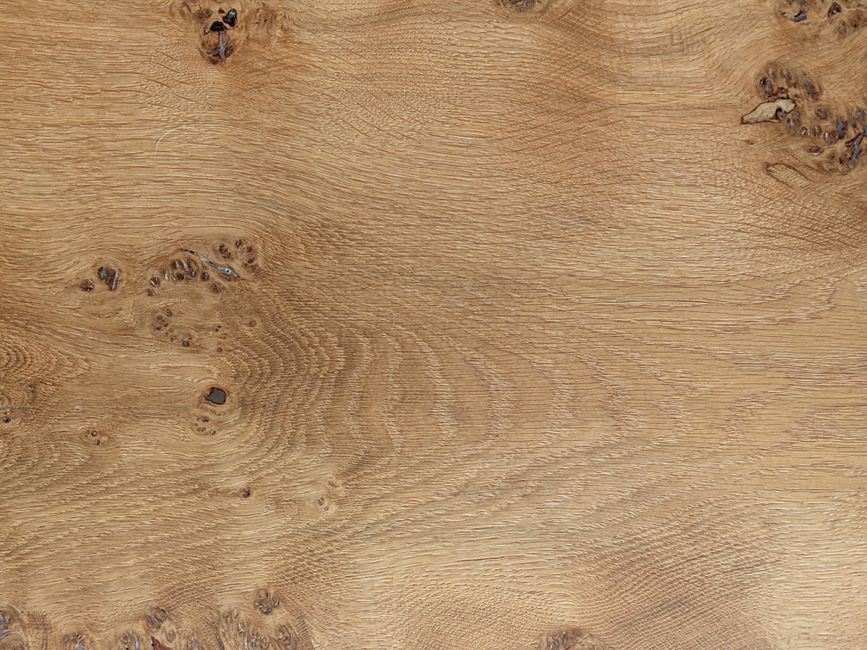
Veneer is a thin layer of wood that is glued onto core panels (often made of less expensive materials like plywood or particleboard). This allows artisans to achieve the look of solid wood while keeping costs down. Here are some of the main pros and cons of using veneer:
Pros of Veneer
- Cost-effective: Veneer is generally much cheaper than solid wood, making it an ideal choice for those on a budget.
- Variety: Veneer comes in a wide variety of wood species, finishes, and designs, allowing for greater customization.
- Stability: Veneer is less likely to warp or crack compared to solid wood, especially in fluctuating temperatures and humidity.
Cons of Veneer
- Durability: Veneer can be more susceptible to scratches and dents, and once damaged, it is challenging to repair.
- Limited lifespan: While veneer can last a long time, it may not be as durable as solid wood, especially in high-use areas.
Understanding Solid Wood
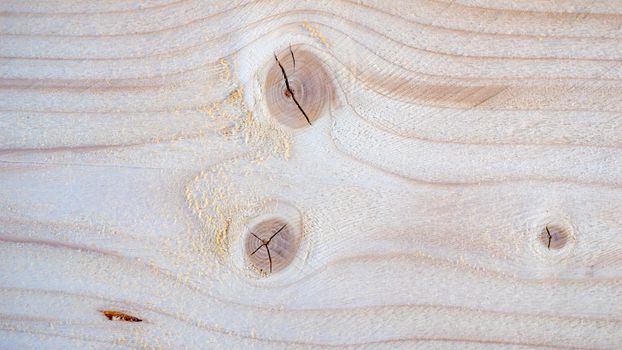
Solid wood, as the name suggests, is made from a single piece of timber. This option is often favored for its natural beauty and durability. However, it comes with a higher price tag. Let’s explore its pros and cons:
Pros of Solid Wood
- Durability: Solid wood is incredibly strong and can last for generations if properly cared for.
- Repairable: Scratches and dents can be sanded out and refinished, allowing for a longer lifespan.
- Natural beauty: Each piece of solid wood has a unique grain pattern, adding character to your furniture.
Cons of Solid Wood
- Cost: Solid wood is generally more expensive than veneer, making it a less attractive option for budget-conscious builders.
- Weight: Solid wood furniture can be quite heavy, making it difficult to move.
Cost-Saving Tips for Your Office Furniture Project
Whether you choose veneer or solid wood, there are several ways to keep costs down while still creating an attractive office space. Here are some tips to consider:
- Plan Ahead: Use resources like Ted Woodworking to find free or low-cost furniture plans. This will help you avoid costly mistakes.
- Buy in Bulk: If you know you will need large quantities of wood, consider buying in bulk to save money.
- Repurpose Materials: Look for reclaimed wood or furniture pieces that can be updated with a fresh coat of paint or new veneer.
- DIY Finishing: Instead of hiring a professional, learn to finish your furniture yourself. This can save you a significant amount of money.
- Shop Sales: Keep an eye out for sales at local lumber yards or home improvement stores. Timing your purchases can lead to substantial savings.
Making Your Choice
In conclusion, the choice between veneer and solid wood for your office furniture ultimately depends on your budget, aesthetic preferences, and how you plan to use the furniture. If you are primarily looking for affordability and stability, veneer might be the way to go. However, if you value durability and the timeless appeal of natural wood, investing in solid wood could be worthwhile.
Regardless of your choice, remember that thoughtful planning and resourcefulness can greatly enhance your home office without breaking the bank. Whether you decide on veneer or solid wood, you can create a functional and beautiful workspace that reflects your personal style.
FAQ
1. Is veneer furniture less durable than solid wood furniture?
Yes, veneer can be less durable as it is more susceptible to scratches and dents. However, it can still last a long time if cared for properly.
2. Can I refinish veneer furniture?
Refinishing veneer can be tricky, as sanding too much can damage the veneer layer. However, minor repairs and touch-ups are often possible.
3. What is the best option for a home office on a budget?
For a budget-friendly option, veneer is usually the best choice. It offers a stylish look at a lower cost, while solid wood is more suitable for those prioritizing durability and longevity.
🔨 Want 16,000+ Woodworking Plans?
Get instant access to step-by-step plans with blueprints and cut lists.
Get Instant Access →