Introduction
Creating a beautiful and functional home office is essential in today's work-from-home environment. Office furniture not only needs to be practical but also aesthetically pleasing. Various woodworking techniques can enhance the beauty of your office furniture. In this article, we will explore some of these techniques, the tools needed, and how they can elevate your workspace.
1. Joinery Techniques
Joinery is the backbone of furniture making, and the methods you choose can significantly affect the visual appeal and strength of your office furniture.
Types of Joinery
- Dovetail Joints: Ideal for drawer construction, dovetail joints add an intricate look and strength.
- Miter Joints: Perfect for frames, miter joints create seamless corners that enhance the beauty of desks and shelving.
- Mortise and Tenon: A classic joint used in tables and chairs, providing robustness and elegance.
Recommended Tools
- Dovetail Saw: A specialized hand saw designed for precision cuts.
- Pros: Offers accuracy; allows for intricate designs.
- Cons: Requires practice to master.
- Router: A versatile tool for hollowing out areas in wood, useful for various joints.
- Pros: Highly adaptable for different joinery techniques.
- Cons: Can be intimidating for beginners.
- Chisel Set: Essential for cleanly shaping and finishing joints.
- Pros: Provides precision; a must-have for detailed work.
- Cons: Requires proper sharpening and maintenance.
2. Surface Treatments
The finish of your furniture plays a crucial role in its overall beauty. Surface treatments not only protect the wood but also enhance its natural grain.
Popular Finishing Techniques
- Staining: Enhances wood grain and can change the color of the wood, giving it a rich appearance.
- Oil Finishes: Such as Danish oil or tung oil, penetrate the wood, offering a natural look while protecting it.
- Lacquer and Varnish: Provide a hard, durable finish that can be glossy or matte.
Recommended Tools
- Spray Gun: Ideal for applying lacquer or paint evenly.
- Pros: Provides a smooth, professional finish.
- Cons: Requires practice to avoid drips; setup can be time-consuming.
- Brush Set: For those who prefer traditional methods of applying oils or stains.
- Pros: Offers control for detailed work.
- Cons: Can leave brush marks if not handled correctly.
- Sanders (Random Orbital or Belt): Essential for surface preparation before finishing.
- Pros: Speeds up the process and achieves a smooth surface.
- Cons: Can be aggressive; requires care to avoid gouging the wood.
3. Decorative Elements
Incorporating decorative elements can take your office furniture to the next level, adding uniqueness and character.
Types of Decorative Techniques
- Inlays: Using contrasting woods or materials to create patterns in the surface of the furniture.
- Carving: Adds dimension and artistry to pieces, especially for tabletops and chair backs.
- Edge Treatments: Shaping the edges of tabletops and shelves can make a significant visual impact.
Recommended Tools
- Router with Inlay Bit: Essential for creating precise inlays.
- Pros: Versatile and easy to use for various designs.
- Cons: Requires a steady hand for best results.
- Carving Tools: A set of chisels designed specifically for detailed work.
- Pros: Allows for creativity and personal touch.
- Cons: Time-consuming and requires skill.
- Edge Banding Tool: Ideal for adding a finished look to plywood edges.
- Pros: Provides a professional finish without the need for complex tools.
- Cons: Requires patience to apply correctly.
4. Choosing the Right Wood
The choice of wood has a profound impact on the beauty of your office furniture. Different species offer various colors, grains, and strengths.
Popular Wood Choices
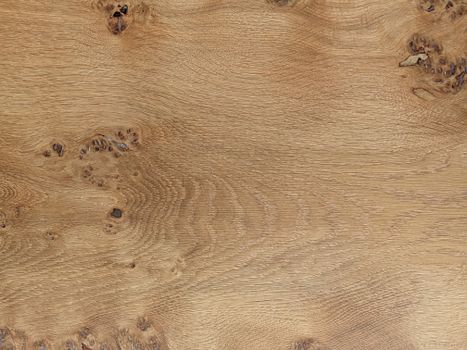
- Oak: Known for its durability and beautiful grain patterns.
- Walnut: Offers a rich color and is highly sought after for its aesthetics.
- Maple: A versatile choice with a fine, smooth grain.
Conclusion
Incorporating various woodworking techniques into your home office furniture can greatly enhance its beauty and functionality. From joinery techniques to surface treatments and decorative elements, the right tools, and methods can help you create stunning pieces that inspire productivity and creativity. For those looking for comprehensive plans and guidance, consider checking out Ted Woodworking, a resource that offers detailed plans for various woodworking projects.
FAQ
- What is the best wood for a home office desk?
Hardwoods like oak and walnut are excellent choices for their durability and beauty.
- How can I achieve a professional finish on my furniture?
Using a spray gun or quality brushes with proper sanding and finishing techniques will help achieve a professional look.
- Are there easy woodworking techniques for beginners?
Yes, starting with basic joinery and simple finishes can be a great way to build skills without overwhelming complexity.
📚 Related Articles
🔨 Want 16,000+ Woodworking Plans?
Get instant access to step-by-step plans with blueprints and cut lists.
Get Instant Access →