Choosing the Right Wood for Outdoor Furniture
When it comes to crafting outdoor furniture, selecting the right wood is crucial for durability and aesthetics. Outdoor furniture must withstand the elements, including moisture, UV rays, and temperature fluctuations. This article will delve into the best wood options for outdoor projects, focusing on advanced techniques in joinery, precision, and achieving a professional finish.
Key Characteristics of Outdoor Wood
Before we explore specific wood types, it’s essential to understand the characteristics that make wood suitable for outdoor use:
- Durability: The wood should resist decay, insects, and weather-related damage.
- Stability: It should maintain its shape and size despite changes in humidity and temperature.
- Aesthetics: The wood should have an appealing appearance, as outdoor furniture is a focal point in gardens and patios.
- Maintenance: Look for woods that require minimal upkeep to maintain their appearance and integrity.
Top Wood Choices for Outdoor Furniture
Here are some of the best wood types for outdoor furniture, along with advanced woodworking techniques to elevate your projects:
1. Teak
Teak is often regarded as the gold standard for outdoor furniture. Its natural oils make it resistant to moisture, insects, and decay. Teak also ages beautifully, developing a silver-gray patina over time.
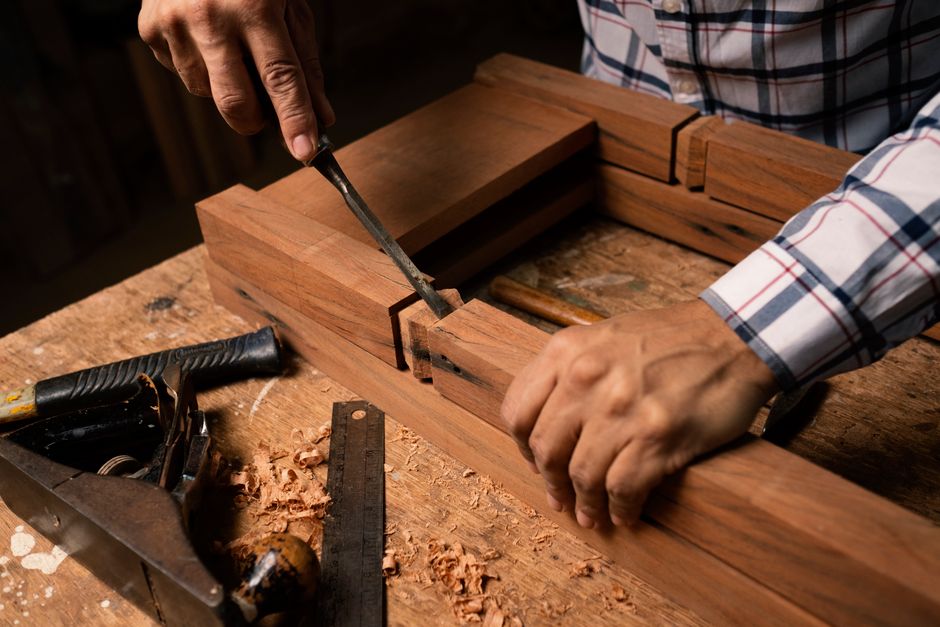
Joinery Techniques: When working with teak, consider using mortise and tenon joints for their strength and durability. Ensure precise cuts and fitment to avoid gaps that can trap moisture.
2. Cedar
Cedar is lightweight, naturally resistant to insects, and has a pleasant aroma. It’s an excellent choice for rustic outdoor furniture and is often used for benches and tables.
Precision Tips: Use a combination of pocket hole joinery and dowel joints to create sturdy connections. Sand the wood thoroughly before applying any finish to ensure an even application.
3. Redwood
Redwood offers a beautiful appearance with rich colors and grains. Like cedar, it is also resistant to decay. It is lightweight and easy to work with but can be costly.
Finishing Techniques: To achieve a professional finish, apply a wood preservative that enhances the natural color while providing UV protection. Use a spray application for even coverage.
4. Mahogany
Mahogany is known for its rich, reddish-brown color and fine grain. It’s a durable option for outdoor furniture but may require more maintenance than teak or cedar.
Joinery Considerations: Use finger joints or box joints for decorative and strong connections. Ensure all joints are tight to prevent moisture infiltration.
5. Ipe
Ipe is one of the most durable woods available, with a density that makes it resistant to rot and pests. Its dark color and fine grain make it visually striking.
Advanced Techniques: Due to its density, pre-drill all holes when using screws to avoid splitting. Consider using epoxy for joints to enhance water resistance.
Combining Wood Types for Aesthetic and Functional Benefits
In many cases, furniture makers choose to combine different woods to leverage their strengths. For instance, a frame made from a durable wood like Ipe can be paired with a softer, more visually appealing wood like cedar for the tabletop.
Joinery Tips: When combining woods, ensure that the joinery method can accommodate the different expansion rates. Use flexible adhesives and mechanical fasteners for a secure bond.
Finishing Your Outdoor Furniture
A professional finish is vital for outdoor furniture to protect against the elements and enhance the wood's natural beauty. Here are some tips:
- Preparation: Sand the wood thoroughly to remove any rough spots and prepare the surface for finishing.
- Sealing: Apply a high-quality wood sealer to prevent moisture penetration. A penetrating oil finish can also enhance the wood's natural color.
- UV Protection: Choose a finish that offers UV protection to prevent fading and discoloration over time.
- Regular Maintenance: Schedule periodic maintenance, including reapplication of sealers and cleaning, to prolong the life of your outdoor furniture.
Resources for Your Outdoor Furniture Projects
If you are looking for detailed plans and guidance for your outdoor furniture projects, consider exploring Ted Woodworking. They offer a comprehensive set of plans that can help you tackle various woodworking projects with precision and skill.
Conclusion
Choosing the right wood for outdoor furniture is essential for durability, aesthetics, and functionality. By focusing on advanced joinery techniques and precision in your work, you can create stunning pieces that will withstand the test of time. Whether you opt for teak, cedar, redwood, mahogany, or ipe, remember to prioritize quality in both materials and craftsmanship.
FAQ
What is the most durable wood for outdoor furniture?
Teak and ipe are considered the most durable woods for outdoor furniture due to their natural resistance to decay and insects.
How can I protect my outdoor furniture from the elements?
Use high-quality sealers and finishes that provide moisture and UV protection. Regular maintenance, including cleaning and reapplication of finishes, is also crucial.
Can I use treated wood for outdoor furniture?
Yes, pressure-treated wood can be used for outdoor furniture, but it is essential to allow it to dry and cure before finishing to avoid issues with adhesion.
📚 Related Articles
🔨 Want 16,000+ Woodworking Plans?
Get instant access to step-by-step plans with blueprints and cut lists.
Get Instant Access →