DIY Wooden Planter Box for Garden
If you're looking to enhance your garden's aesthetics and functionality, building a wooden planter box is a fantastic DIY project. Not only does it add charm to your outdoor space, but it also promotes sustainable gardening practices by allowing you to control soil quality and drainage. In this easy DIY wooden planter box tutorial, we'll guide you through the process of creating your very own planter box, perfect for any plant lover.
Why Build a Wooden Planter Box?
Wooden planter boxes offer numerous benefits for your garden:
- Customization: You can design them to fit any space, making them ideal for small gardens.
- Mobility: They can be moved easily, allowing you to rearrange your outdoor decor as needed.
- Soil Control: Planter boxes provide better drainage and soil quality, essential for healthy plants.
- Enhanced Aesthetics: They serve as beautiful garden decoration, enhancing the look of your outdoor space.
Step-by-Step Guide to Making a Planter Box
Follow this step by step guide to making a planter box that will elevate your gardening game.
Materials Needed
- Wood (Cedar, Redwood, or treated Pine are the best wood for outdoor planter boxes)
- Screws
- Wood glue
- Drill
- Saw (circular or miter saw)
- Sandpaper
- Measuring tape
- Wood stain or sealant (optional)
Instructions
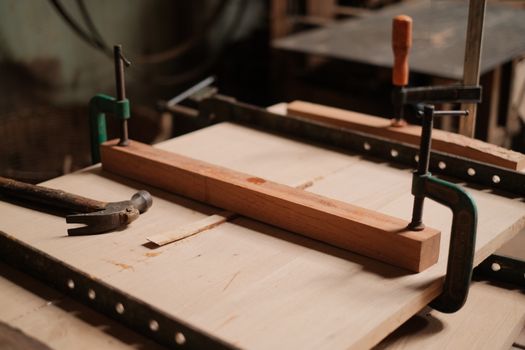
- Measure and Cut the Wood: Decide the dimensions of your planter box. Common dimensions are 4 feet long, 2 feet wide, and 1.5 feet high. Cut your wood accordingly.
- Assemble the Base: Start by creating the base of your planter box. Use wood screws to attach the bottom pieces together.
- Build the Sides: Attach the side pieces to the base, securing them with screws. Make sure everything is square and level.
- Add Drainage Holes: Drill a few holes in the bottom to ensure proper drainage.
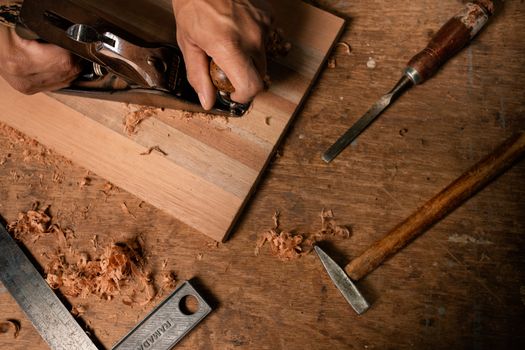
- Sand the Edges: Use sandpaper to smooth out rough edges to avoid splinters.
- Finishing Touches: Stain or seal the wood to protect it from the elements. Allow it to dry completely.
- Fill with Soil: Once dry, fill the planter box with quality potting soil.
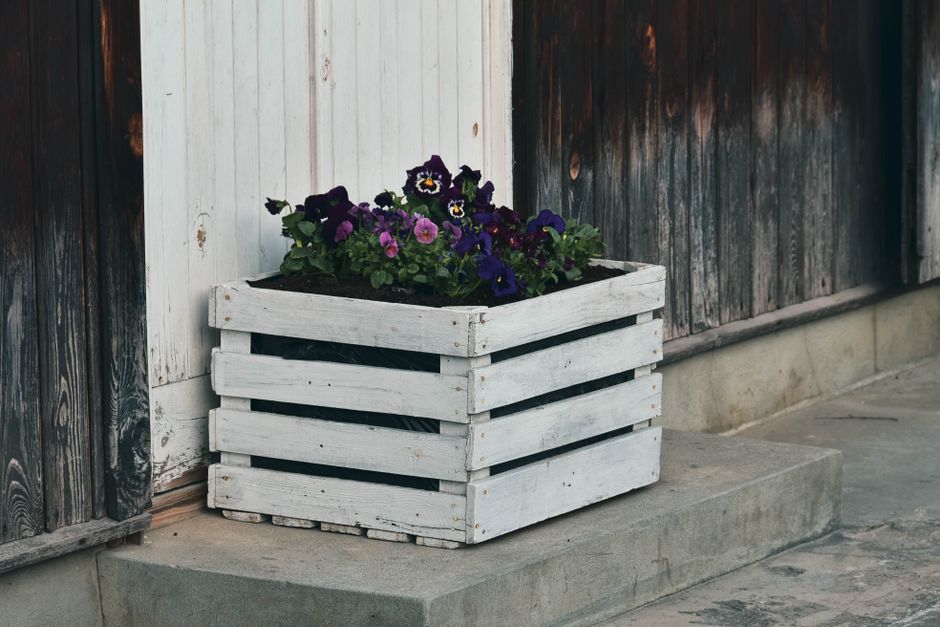
- Plant Your Favorite Plants: Choose plants that thrive in your climate to fill your newly built planter box.
Practical Tips for Your DIY Wooden Planter Box
Here are some additional tips to consider when building your planter box:
- Choose the Right Wood: Cedar is a fantastic choice due to its natural resistance to rot. Avoid untreated wood as it may deteriorate quickly.
- Consider Size: Adapt the size of your planter box based on the available space in your garden.
- Incorporate Design Elements: Customize your planter box with decorative elements or paint to match your outdoor decor.
FAQs
1. What is the best wood for outdoor planter boxes?
The best wood types for planters are Cedar, Redwood, and treated Pine. These woods are durable and resistant to rot, making them ideal for outdoor use.
2. How do I prevent my wooden planter box from rotting?
To prevent rot, ensure proper drainage by including holes at the bottom. Additionally, using rot-resistant wood and applying a sealant can extend the lifespan of your planter box.
3. Can I use a planter box for vegetables?
Absolutely! Raised garden beds made from planter boxes are perfect for growing vegetables. Just make sure to use quality soil and consider the sunlight needs of your plants.
Conclusion
Building a DIY wooden planter box is an excellent way to indulge in woodworking projects while enhancing your garden's beauty. Not only do these planter boxes serve as functional gardening tools, but they also contribute to sustainable gardening practices. For more inspiration and woodworking plans, consider exploring resources like Ted's Woodworking, which offers a wealth of ideas for various woodworking projects.
Now that you're equipped with this planter box tutorial, it’s time to get started on your garden transformation! For more DIY ideas, check out our articles on building outdoor kitchens or creating wooden pergolas.
🔨 Want 16,000+ Woodworking Plans?
Ted's Woodworking gives you instant access to over 16,000 step-by-step plans with detailed blueprints, cut lists, and material lists for every project.
Get Instant Access →