Should I Consider DIY Wooden Pathways for My Garden?
Creating a beautiful garden is a labor of love, and one of the best ways to enhance its charm and functionality is by adding wooden pathways. Not only do they provide a practical solution for navigating your garden, but they also add aesthetic appeal. However, before you dive into this DIY project, it’s essential to understand the common mistakes that can occur and how to troubleshoot them effectively.
Benefits of DIY Wooden Pathways
- Enhances Accessibility: Wooden pathways make it easier to navigate your garden, especially in muddy or uneven areas.
- Increases Aesthetic Appeal: Well-constructed pathways can elevate the visual appeal of your garden, giving it a polished look.
- Customizable: You can design pathways that fit your garden’s unique dimensions and style.
- Durability: Quality wood can withstand the elements and provide a long-lasting solution.
Common Mistakes to Avoid
While the idea of building a wooden pathway may seem straightforward, there are several pitfalls that you can encounter. Here are some common mistakes to avoid:
1. Poor Planning
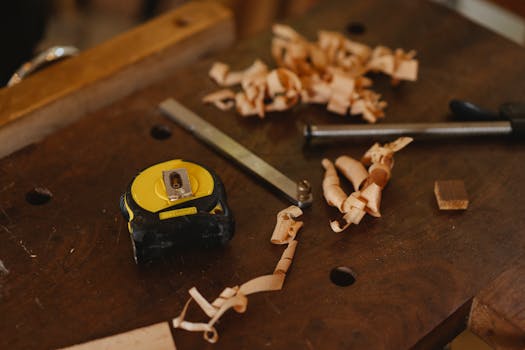
One of the most significant mistakes is failing to plan your pathway properly. Before starting your project, measure the area accurately and sketch out a design that suits both your aesthetic preferences and the garden's layout.
2. Choosing the Wrong Wood
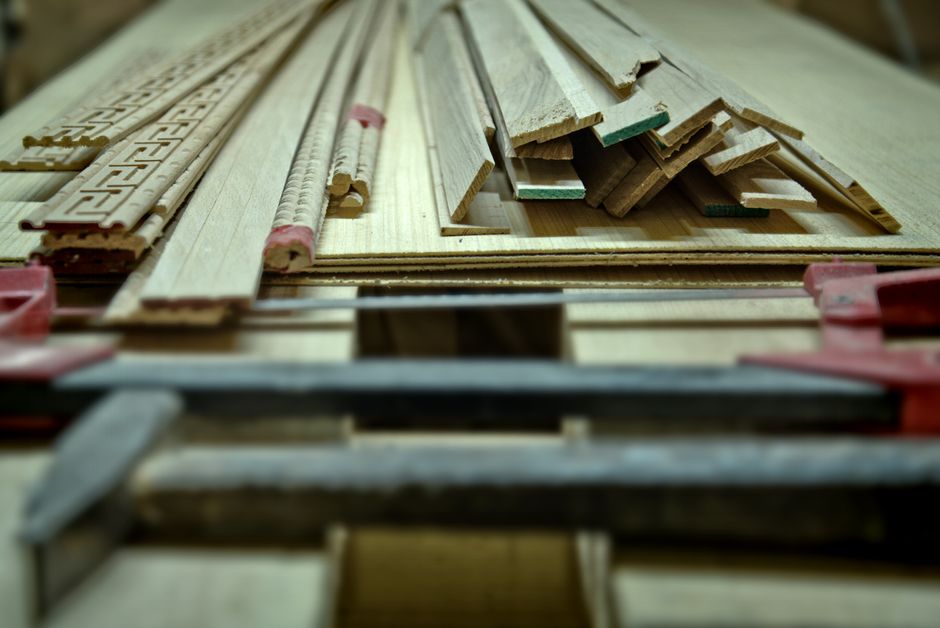
Not all wood is created equal. Some types are more susceptible to rot and pests. Avoid using untreated lumber, as it won’t withstand outdoor conditions. Instead, consider using cedar or pressure-treated wood, which are known for their durability.
3. Neglecting Drainage
Water pooling on your pathway can lead to rotting and damage. Ensure that your pathway has proper drainage. You can create a slight slope away from your garden beds or install gravel underneath to help with water flow.
4. Skipping the Ground Preparation
Many DIYers make the mistake of laying down their pathways without adequately preparing the ground. This can lead to uneven pathways and eventual sinking or shifting. Be sure to clear the area of grass, weeds, and debris, and level the ground before laying down your wood.
5. Ignoring Safety Precautions
Woodworking can be dangerous if proper safety precautions are not taken. Always wear safety goggles, gloves, and a dust mask when cutting wood or working with power tools.
Troubleshooting Tips and Fixes
If you encounter issues during your DIY pathway project, here are some troubleshooting tips:
1. Uneven Pathway
If your pathway starts to feel uneven after installation, check for settling issues. You might need to add additional support materials, such as gravel, to stabilize the area.
2. Wood Rot
If you notice signs of rot, it may be due to improper drainage or the use of untreated wood. Replace affected sections with treated wood and ensure that your pathway allows for water to drain effectively.
3. Pest Infestation
Pests can be a significant issue for wooden pathways. Regularly inspect your pathway for signs of termites or other wood-boring insects. If you detect an infestation, consider using natural pest repellents or replacing the affected wood with treated materials.
Resources for Planning Your Pathway
For those looking for detailed plans and guidance, Ted Woodworking offers an extensive collection of woodworking plans, including those for outdoor pathways. Their resources can help you avoid common mistakes and ensure a successful DIY project.
Final Thoughts
Building a wooden pathway in your garden can greatly enhance its functionality and beauty. By avoiding common mistakes and following proper troubleshooting techniques, you can create a pathway that will last for years to come. Take the time to plan, choose quality materials, and prepare your ground properly, and you'll be well on your way to enjoying your new garden pathways.
FAQ
- What type of wood is best for outdoor pathways? Cedar and pressure-treated wood are ideal for outdoor use due to their durability and resistance to rot.
- How do I prevent my wooden pathway from rotting? Ensure proper drainage, use treated wood, and maintain the pathway regularly to prevent water accumulation.
- Can I build a wooden pathway on a sloped area? Yes, but you will need to take extra care to ensure stability and proper drainage on the slope.
📚 Related Articles
🔨 Want 16,000+ Woodworking Plans?
Get instant access to step-by-step plans with blueprints and cut lists.
Get Instant Access →