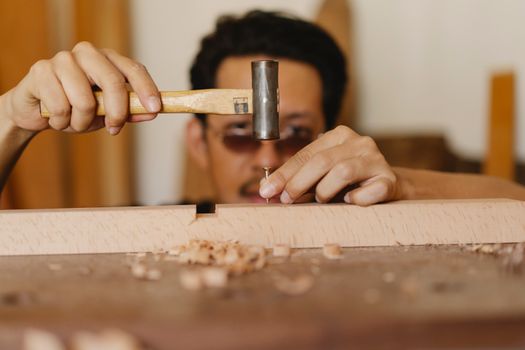
Introduction to Building a Wooden Porch Swing
Building a wooden porch swing is a fun and rewarding DIY project that can add a touch of elegance and comfort to your outdoor living space. With the right tools and a bit of planning, you can create a beautiful and durable swing that will provide years of enjoyment for you and your family. In this article, we will guide you through the process of building a wooden porch swing, highlighting the tools you will need and the pros and cons of each.
Planning and Design
Before you start building your porch swing, it is essential to plan and design it carefully. You will need to decide on the size, style, and type of wood you want to use. You can find many free plans and designs online, or you can purchase a plan from a reputable source like Ted Woodworking. Consider the space where the swing will be located, as well as the weight capacity you need. Make a list of the materials you will need, including lumber, screws, nails, and any other hardware.
Tools Needed
To build a wooden porch swing, you will need a variety of tools, including:
- Table saw: This is a must-have tool for any woodworking project, including building a porch swing. It allows you to make precise cuts in your lumber. Pros: accurate cuts, efficient. Cons: expensive, takes up a lot of space.
- Miter saw: This tool is used to make angled cuts in your lumber. Pros: precise cuts, easy to use. Cons: limited to making cross-cuts.
- Drill press: This tool is used to drill precise holes in your lumber. Pros: accurate holes, easy to use. Cons: limited to drilling straight holes.
- Sander: This tool is used to smooth out your lumber and remove any imperfections. Pros: smooth finish, easy to use. Cons: can be time-consuming.
- Impact driver: This tool is used to drive screws and other fasteners. Pros: powerful, easy to use. Cons: can be heavy, expensive.
Building the Swing
Once you have all your tools and materials, you can start building your porch swing. Begin by cutting your lumber to the required size, using your table saw and miter saw. Assemble the frame of the swing, using your drill press and impact driver to attach the sides and back. Add the seat and backrest, using screws and nails to secure them in place. Finally, sand and finish your swing, using a sander and your choice of stain or paint.
Installation
Once your swing is built, you will need to install it in your porch. This will require some additional tools, including a level, a stud finder, and a wrench. Make sure the swing is level and securely attached to the porch, using sturdy chains or ropes to hang it. Test the swing to make sure it is safe and comfortable.
Conclusion
Building a wooden porch swing is a fun and rewarding DIY project that can add a touch of elegance and comfort to your outdoor living space. With the right tools and a bit of planning, you can create a beautiful and durable swing that will provide years of enjoyment for you and your family. Remember to always follow safety guidelines and use proper techniques when working with power tools.
Frequently Asked Questions
Here are some frequently asked questions about building a wooden porch swing:
- Q: What type of wood is best for building a porch swing? A: The best type of wood for building a porch swing is a durable, weather-resistant wood like cedar, cypress, or redwood.
- Q: How much weight can a wooden porch swing hold? A: The weight capacity of a wooden porch swing will depend on the design and materials used, but a typical swing can hold between 500-1000 pounds.
- Q: Can I build a porch swing without any power tools? A: While it is possible to build a porch swing without power tools, it will be much more difficult and time-consuming. Power tools like table saws and drill presses can save you a lot of time and effort, and help you achieve a more professional finish.
🔨 Want 16,000+ Woodworking Plans?
Get instant access to step-by-step plans with blueprints and cut lists.
Get Instant Access →