How to Create a Rustic Wooden Pergola for Your Backyard
Building a rustic wooden pergola can transform your backyard into a serene escape, providing shade and a beautiful focal point. However, this project can be riddled with challenges if you're not well-prepared. In this article, we'll guide you through the steps to create your own pergola while highlighting common mistakes to avoid and troubleshooting tips to ensure your project goes smoothly.
Planning Your Pergola
Before you start building, it's crucial to have a clear plan. Here are some aspects to consider:
- Design: Decide on the size and style of your pergola. Rustic designs often incorporate natural wood finishes and traditional joinery.
- Location: Choose a spot that receives adequate sunlight and complements your garden layout.
- Materials: Select durable wood like cedar or redwood that can withstand outdoor conditions.
Gathering Your Materials
Once you've planned your pergola, it’s time to gather materials. Here’s a basic list:
- Wood beams and posts
- Wood screws and nails
- Wood stain or sealant
- Concrete for the footings
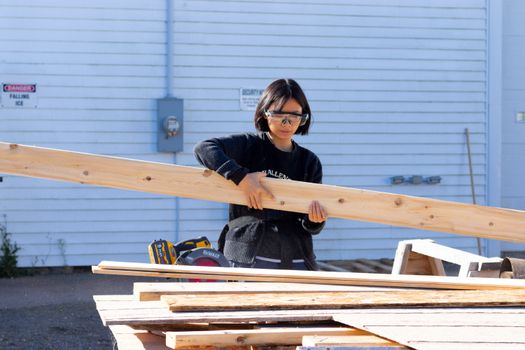
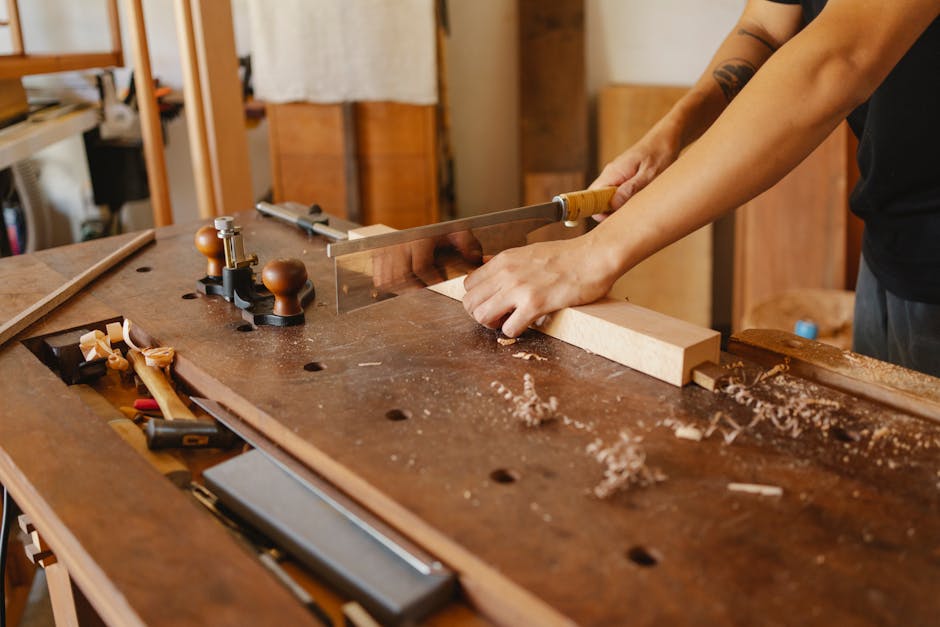
- Tools: saw, drill, level, measuring tape, and safety gear
For detailed plans, consider resources like Ted Woodworking, which offers comprehensive woodworking plans tailored to various skill levels.
Common Mistakes to Avoid
As you embark on this project, be mindful of these common pitfalls:
1. Inaccurate Measurements
One of the most frequent mistakes is not measuring correctly. This can lead to components that don't fit together properly.
- Tip: Double-check all measurements before cutting any wood. Use a reliable measuring tape and mark your cuts clearly.
2. Insufficient Structural Support
A pergola must be structurally sound to withstand weather conditions. Many builders overlook the importance of proper bracing.
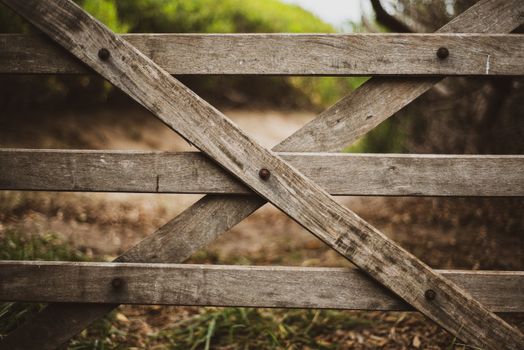
- Tip: Use diagonal bracing on the sides to add stability. Ensure that the posts are securely anchored in concrete.
3. Choosing the Wrong Location
Placing the pergola in a shaded area may defeat its purpose. Similarly, avoiding areas with potential drainage issues is vital.
- Tip: Observe the sun’s path throughout the day before deciding on the location. Ensure good drainage to prevent water pooling.
4. Neglecting Wood Treatment
Using untreated wood can lead to rapid deterioration, especially in moist environments.
- Tip: Treat your wood with a quality sealant or stain to protect against moisture and UV damage.
Building Your Pergola
Now that you’ve planned and gathered your materials, it’s time to build. Follow these steps for a successful construction:
Step 1: Prepare the Site
Clear the area where your pergola will stand. Remove any grass, rocks, or debris.
Step 2: Set the Posts
Dig holes for the posts, ensuring they are deep enough (at least 2 feet) for stability. Mix and pour concrete into the holes to secure the posts.
Step 3: Attach the Beams
Once the posts are set, attach the horizontal beams to the top of the posts. Use a level to ensure they are straight.
Step 4: Add the Rafter
Install the rafters perpendicular to the beams, leaving adequate spacing between each one for an airy feel.
Step 5: Finishing Touches
Sand any rough edges, then apply your chosen stain or sealant to protect the wood. Consider adding decorative elements like climbing plants or outdoor lighting for a rustic charm.
Troubleshooting Tips
Even with careful planning, you may encounter issues while building your pergola. Here are some solutions:
1. Uneven Posts
If your posts are uneven, use a level to adjust them while the concrete is still wet. If they have set, you may need to trim them to match.
2. Sagging Rafters
If you notice sagging after installation, ensure that they are adequately spaced and supported. Adding additional bracing can help alleviate this issue.
3. Wood Splitting
Wood may split during installation. Always drill pilot holes before screwing in to prevent this.
Conclusion
Building a rustic wooden pergola can be a fulfilling project that enhances your outdoor space. By planning carefully, avoiding common mistakes, and employing troubleshooting tips, you can create a beautiful structure that you and your family will enjoy for years to come.
FAQ
- Q: What type of wood is best for a pergola?
A: Cedar and redwood are excellent choices due to their durability and resistance to decay. - Q: How long does it take to build a pergola?
A: Depending on your skill level and the complexity of the design, it can take a weekend to a week to complete. - Q: Do I need a building permit for a pergola?
A: Check with your local building authority, as requirements vary by location.
📚 Related Articles
🔨 Want 16,000+ Woodworking Plans?
Get instant access to step-by-step plans with blueprints and cut lists.
Get Instant Access →