Introduction
When it comes to designing your living space, flooring plays a crucial role in aesthetics and functionality. Many homeowners wonder, "Can I combine different flooring types in one room?" The answer is yes, and this article will guide you through the process of doing it effectively.
Benefits of Combining Different Flooring Types
Combining different flooring types can offer several advantages:
- Visual Interest: Mixing materials can create unique and engaging spaces.
- Functional Zones: Different flooring can help define areas within an open-concept layout.
- Cost-Effective: You can use more expensive materials in smaller areas while opting for economical options in others.
Choosing the Right Flooring Types
Before you start mixing flooring, consider these tips:
1. Compatibility
Choose flooring types that complement each other in color and texture. For example, pairing hardwood with ceramic tiles can create a seamless transition if the colors are in harmony.
2. Purpose of the Area
Think about the function of each area. For instance, you might want a durable vinyl in high-traffic areas while using a softer carpet in a cozy reading nook.
3. Transition Strips
Use transition strips to create a smooth changeover between different flooring types. This not only looks professional but also provides a functional benefit by reducing tripping hazards.
Step-by-Step Guide to Combining Flooring Types
Now that you understand the benefits and considerations, let's dive into a simple step-by-step guide for combining different flooring types in one room.
Step 1: Plan Your Design
Start by sketching a simple layout of your room. Mark where you want each type of flooring to go. Consider using different materials to define areas like the living room and dining space.
Step 2: Gather Your Tools and Materials
You will need:
- Flooring materials (hardwood, laminate, tile, etc.)
- Measuring tape
- Utility knife
- Flooring adhesive (if necessary)
- Transition strips
- Level
- Safety gear (gloves, goggles)
Step 3: Prepare the Subfloor
Ensure your subfloor is clean, level, and dry. Repair any imperfections before laying down any flooring. This step is crucial for the longevity and appearance of your new floor.
Step 4: Install the First Flooring Type
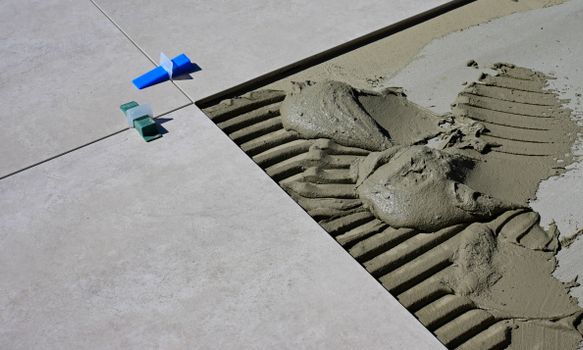
Begin with the first type of flooring. Follow the manufacturer’s instructions for installation. If you're using tiles, lay them out in a grid pattern and use spacers for even gaps. For hardwood or laminate, start from a corner and work your way across the room.
Step 5: Measure for the Transition
Once the first flooring type is installed, measure the area where the second flooring type will begin. Ensure that your transition strips will fit correctly and are aligned with both flooring types.
Step 6: Install the Second Flooring Type
Repeat the installation process for the second flooring type, ensuring that it aligns well with the first. Use the transition strips to create a smooth and safe transition.
Step 7: Finishing Touches
After installing both flooring types, clean the area and ensure everything is secure. Consider applying a sealant if your flooring type requires it.
Resource for Plans
If you need help with planning and visualizing your flooring project, consider using resources like Ted Woodworking. They offer a variety of plans that can help you optimize your design.
Conclusion
Combining different flooring types in one room can enhance the visual appeal and functionality of your space. By following this beginner-friendly guide, you can confidently create a unique and inviting atmosphere in your home. Remember to take your time, plan carefully, and enjoy the process!
FAQ
1. Can I use different flooring types in an open-concept space?
Yes, using different flooring types can help define areas in an open-concept layout. Just ensure the materials complement each other.
2. How do I choose transition strips?
Select transition strips that match or complement the colors of your flooring types. There are various styles, including T-molding and reducer strips, to suit your needs.
3. Is it difficult to install different flooring types?
With basic tools and a little patience, combining different flooring types is achievable for beginners. Just follow the steps outlined above for a smooth installation.
📚 Related Articles
🔨 Want 16,000+ Woodworking Plans?
Get instant access to step-by-step plans with blueprints and cut lists.
Get Instant Access →