Understanding Wood Durability for Flooring
When it comes to choosing flooring for your home, one of the most important factors to consider is the durability of the wood type. With so many different species of wood available, it can be daunting to decide which is the best fit for your needs. In this article, we will guide you through the durability of various wood types, helping you make an informed decision for your flooring project.
Key Factors Influencing Wood Durability
Before diving into specific wood types, it's essential to understand what affects wood durability. Several factors play a role:
- Hardness: The Janka hardness test measures how resistant a wood species is to wear and denting.
- Moisture Resistance: Some wood species naturally resist moisture, making them less prone to warping or swelling.
- Finish: The type of finish applied to the wood can significantly impact its durability.
- Maintenance: Regular maintenance, such as cleaning and refinishing, can extend the life of your flooring.
Popular Wood Types for Flooring
Now that we understand the factors impacting durability, let's look at some popular wood types used for flooring:
1. Oak
Oak is one of the most popular choices for flooring. It is highly durable, with a Janka rating of around 1,300 to 1,500, depending on whether it is red or white oak. Oak flooring is also known for its beautiful grain patterns and can be finished in a variety of ways.
2. Maple
Maple is another excellent choice, boasting a Janka hardness of about 1,450. It is slightly harder than oak, making it resistant to wear and tear. Maple has a fine, consistent grain, giving it a clean look that works well in modern homes.
3. Hickory
Hickory is one of the hardest domestic woods, with a Janka rating of approximately 1,800. Its exceptional durability makes it ideal for high-traffic areas. However, hickory tends to have a more rustic appearance, which may not suit every decor style.
4. Cherry
Cherry wood offers a more elegant option for flooring, with a Janka hardness of around 950. While it is softer than oak or maple, its rich color and patina develop beautifully over time. Cherry is best suited for low-traffic areas to maintain its appearance.
5. Walnut
Walnut is known for its deep, rich color and stunning grain patterns. With a Janka rating of about 1,010, it is not the hardest wood but is still durable enough for most residential applications. It's an excellent choice for those looking for luxury in their flooring.
6. Bamboo
Bamboo is technically a grass, but it has gained popularity as a flooring material. Depending on how it is processed, bamboo can have a Janka rating of 1,300 to 1,500. It is also eco-friendly, making it a sustainable option. However, it may not be as moisture-resistant as traditional hardwoods.
Choosing the Right Wood for Your Needs
When selecting the right wood type for your flooring project, consider the following steps:
- Assess Traffic Levels: Determine how much foot traffic the area will receive. For high-traffic areas, opt for harder woods like hickory or oak.
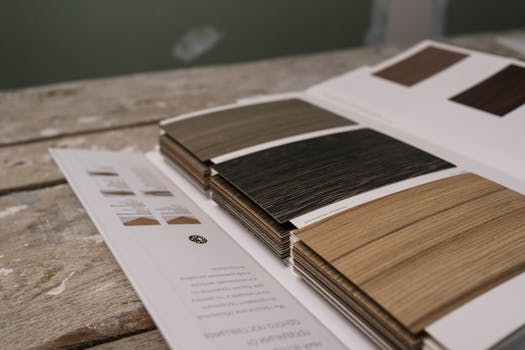
- Consider Aesthetics: Think about the look you want to achieve. Lighter woods like maple offer a contemporary feel, whereas cherry and walnut lend a more traditional touch.
- Evaluate Maintenance: Some woods require more upkeep than others. Choose a type that fits your lifestyle and how much care you are willing to invest.
- Explore Finishing Options: Research different finishes to protect your flooring and enhance its natural beauty.
Resources for Your Project
If you're looking to take on your flooring project, consider using Ted Woodworking as a resource for detailed plans and guides. They offer a range of options that can help you create beautiful wood flooring that fits your home perfectly.
Conclusion
Choosing the right wood type for your flooring can greatly impact its durability and overall look. By understanding the different wood types and their characteristics, you can make an informed decision that suits your needs and preferences. Remember to consider factors such as traffic levels, aesthetics, maintenance, and finishes when selecting the best wood for your flooring project.
FAQs
1. What is the hardest wood for flooring?
The hardest wood commonly used for flooring is hickory, which has a Janka hardness rating of around 1,800.
2. How can I protect my wood flooring from scratches?
Using area rugs, felt pads under furniture, and regularly cleaning your floors can help protect against scratches.
3. Is bamboo flooring durable?
Bamboo can be quite durable, with a Janka rating similar to oak, but it may not be as moisture-resistant as traditional hardwoods.
📚 Related Articles
🔨 Want 16,000+ Woodworking Plans?
Get instant access to step-by-step plans with blueprints and cut lists.
Get Instant Access →