Choosing the Right Wood for DIY Storage Cabinets
Building your own storage cabinets can be a rewarding project, providing both functionality and aesthetic appeal to your space. However, the type of wood you choose plays a crucial role in the durability, appearance, and ease of construction. In this article, we will explore the best types of wood for DIY storage cabinets and recommend essential tools to help you along the way.
Softwoods vs. Hardwoods
When selecting wood for your storage cabinets, you will generally choose between softwoods and hardwoods. Each type has its advantages and disadvantages:
- Softwoods: These are typically easier to work with, more affordable, and readily available. Common softwoods include pine, cedar, and fir. Softwoods are great for beginners and projects where budget is a concern.
- Hardwoods: Hardwoods like oak, maple, and cherry are denser and more durable, providing a higher-end finish. They are often more expensive and require more effort to work with, making them suitable for experienced woodworkers or projects where longevity is essential.
Best Wood Types for DIY Storage Cabinets
Here are some specific wood types that are highly recommended for building storage cabinets:
Pine
- Pros: Affordable, lightweight, easy to work with, and takes paint and stain well.
- Cons: Prone to dents and scratches, not as durable as hardwoods.
Birch
- Pros: Strong, durable, and has a fine grain that looks great when stained. It is also relatively affordable compared to other hardwoods.
- Cons: Can be a bit difficult to work with because of its density.
Oak
- Pros: Extremely durable and offers a classic look. Oak can withstand heavy use, making it ideal for storage cabinets.
- Cons: More expensive and heavier than other options, which may complicate the building process.
Maple
- Pros: Hard, dense, and resistant to abrasion. It has a consistent grain pattern and finishes beautifully.
- Cons: Can be costly and requires specialized tools for cutting and shaping.
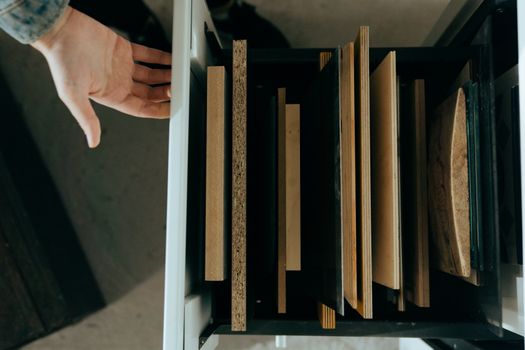
Particle Board
- Pros: Very affordable and easy to work with. It can be laminated to achieve a desired finish.
- Cons: Not as durable as solid wood and can sag under heavy weight.
Essential Tools for Building Storage Cabinets
In addition to choosing the right wood, having the right tools is essential for a successful DIY project. Here are some must-have tools:
Table Saw
A table saw is indispensable for making precise cuts in wood. It allows for long, straight cuts, which are crucial when building storage cabinets.
- Pros: High precision, capable of cutting large sheets of wood.
- Cons: Expensive and requires a dedicated workspace.
Power Drill
A power drill is essential for making holes and driving screws. Look for one with a good battery life and multiple speed settings.
- Pros: Versatile and can be used for various applications.
- Cons: Some models can be heavy or have a shorter battery life.
Miter Saw
A miter saw is great for making angled cuts, especially for trim work on cabinets.
- Pros: Allows for precise angled cuts, perfect for corners and joints.
- Cons: Can be more expensive and takes up more space.
Clamps
Clamps are essential for holding pieces of wood together while you work. They ensure that your joints are tight and secure.
- Pros: Inexpensive and come in various sizes.
- Cons: Can be cumbersome if you have multiple pieces to hold.
Finding Plans and Resources
If you're unsure where to start, consider utilizing resources like Ted Woodworking. This platform offers a wide range of plans specifically designed for DIY projects, including storage cabinets. With detailed instructions and diagrams, it can help you navigate the building process with ease.
Conclusion
Choosing the right wood and having the right tools are key factors in building effective DIY storage cabinets. Whether you opt for a softwood like pine or a hardwood like oak, each material has its unique benefits and challenges. Equip yourself with the necessary tools, and don't hesitate to seek out plans from resources like Ted Woodworking to streamline your project.
FAQ
1. What is the most affordable wood for storage cabinets?
Pine is typically the most affordable option, making it a great choice for budget-conscious DIYers.
2. Can I use plywood for storage cabinets?
Yes, plywood is a popular choice for storage cabinets due to its durability and ease of use. It can also be finished to look great.
3. How do I ensure my cabinet is sturdy?
Using quality joinery techniques and strong materials, along with proper support and reinforcement, will ensure the sturdiness of your cabinets.
📚 Related Articles
🔨 Want 16,000+ Woodworking Plans?
Get instant access to step-by-step plans with blueprints and cut lists.
Get Instant Access →