Can I Repurpose Old Furniture for My Home Office?: Tips and Tricks
In an era where sustainability is key, the idea of repurposing old furniture into a functional home office is not just appealing but also practical. With some advanced woodworking techniques, you can transform outdated pieces into stylish and efficient workspaces. This article will guide you through the process, focusing on joinery, precision, and achieving a professional finish.
Evaluate Your Old Furniture
Before diving into the transformation, it’s crucial to evaluate the condition and potential of the furniture you want to repurpose. Look for pieces that have good structural integrity, as they will serve as a solid foundation for your new home office setup.
- Inspect for Damage: Check for cracks, loose joints, or water damage. Repairable pieces are ideal.
- Assess Style and Size: Ensure the furniture fits your aesthetic and spatial requirements.
- Consider Functionality: Think about how the piece can best serve your needs in a home office environment.
Joinery Techniques for Strength and Durability
When repurposing furniture, the quality of joinery is paramount. Strong joints will provide long-lasting durability, particularly in a workspace that sees daily use. Here are some advanced joinery techniques to consider:
Dovetail Joints
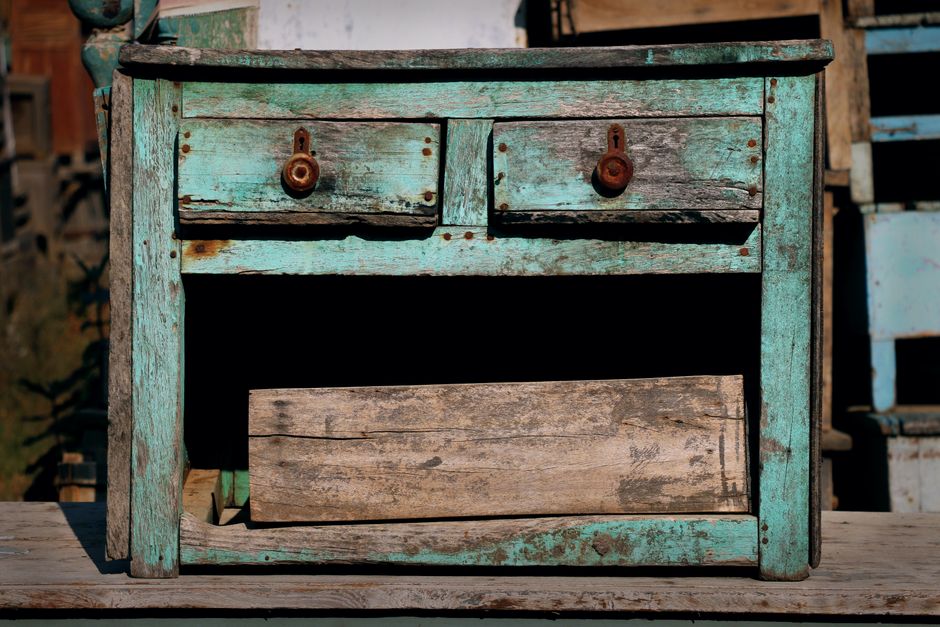
Dovetail joints are a hallmark of quality woodworking. They not only provide strength but also add an aesthetic appeal to drawers or cabinet corners. If you're transforming an old dresser into a desk, consider reinforcing the drawers with dovetail joints.
Mortise and Tenon Joints
For an added layer of strength, especially in table legs or frames, mortise and tenon joints are ideal. This technique allows for a precise fit, ensuring stability and support for heavy items like monitors or books.
Pocket Hole Joinery
Pocket hole joinery offers a quick and reliable method for assembling furniture. It is especially useful when you want to maintain the appearance of the wood surface, as the screws are hidden from view. This technique works well for attaching tabletops to bases or creating sturdy shelving.
Precision in Measurement and Cutting
Achieving a professional finish starts with precise measurements and cuts. Here are tips to ensure accuracy:
- Use a Quality Measuring Tape: Invest in a reliable measuring tape for accurate dimensions.
- Mark Your Cuts Clearly: Use a square and a fine pencil to mark cutting lines precisely.
- Choose the Right Saw: Select a saw that matches the type of cut you need—table saws for straight cuts or jigsaws for curves.
Finishing Touches for a Professional Look
Once your repurposed furniture is assembled, the finishing process is crucial for achieving that professional look. Here are some techniques to elevate your project:
Sanding
Begin with coarse-grit sandpaper and gradually move to finer grits. Sanding not only prepares the surface for finishing but also helps to smooth out any imperfections.
Staining and Painting
Choose a stain that enhances the natural beauty of the wood or a paint color that complements your office decor. Always apply a primer if painting, and consider using a spray gun for an even coat.
Sealing
After staining or painting, protect your work with a quality topcoat. Polyurethane or lacquer can provide the durability needed for a workspace that will see frequent use.
Resources for Your Project
If you're looking for detailed plans and woodworking guides, Ted Woodworking is a fantastic resource. Their extensive library can help you find specific plans tailored to your repurposing projects.
Conclusion
Repurposing old furniture for your home office can be a rewarding venture that combines creativity with practical skills. By focusing on advanced joinery techniques, precision in measurement, and a professional finish, you can create a workspace that not only functions well but also reflects your personal style. Embrace the challenge of transforming old into new and enjoy the satisfaction that comes with it!
FAQ
1. Can I repurpose any type of old furniture for my home office?
While most furniture can be repurposed, it's best to choose pieces that are structurally sound and suitable for the tasks you'll perform in your home office.
2. What tools do I need for repurposing furniture?
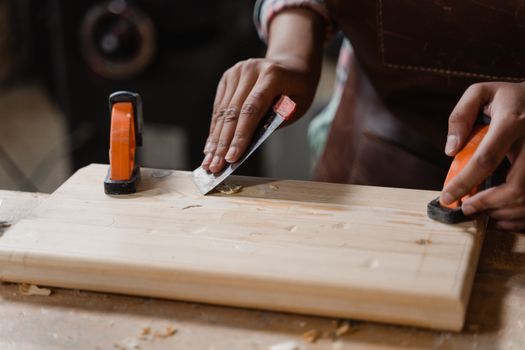
Essential tools include a saw, drill, measuring tape, clamps, and sandpaper. Depending on your joinery techniques, you may also need specific tools like a chisel for dovetail joints.
3. How can I ensure a professional finish on my repurposed furniture?
Achieve a professional look by sanding thoroughly, applying quality stains or paints, and sealing your work with a protective topcoat. Take your time with each step for the best results.
📚 Related Articles
🔨 Want 16,000+ Woodworking Plans?
Get instant access to step-by-step plans with blueprints and cut lists.
Get Instant Access →