Introduction
When it comes to constructing bathroom cabinets, one of the most critical decisions is the choice of material. Two popular options are plywood and MDF (medium-density fiberboard). Each material has its unique characteristics, benefits, and drawbacks. This article delves into the advanced techniques of joinery, precision, and achieving a professional finish, helping you make an informed decision for your bathroom cabinet project.
Plywood: The Natural Choice
Plywood is a versatile material made from layers of wood veneer glued together. It is known for its strength, durability, and resistance to warping, making it a favorite among furniture makers.
Advantages of Plywood
- Strength and Durability: Plywood offers superior structural integrity, which is crucial for the heavy loads that bathroom cabinets may bear.
- Moisture Resistance: High-quality plywood, especially when treated, can withstand humidity and moisture better than MDF, making it suitable for bathroom environments.
- Natural Aesthetic: The wood grain of plywood can be visually appealing, allowing for a more natural look that can enhance your bathroom's design.
Joinery Techniques for Plywood
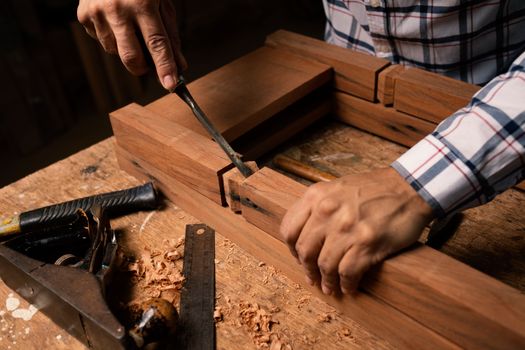
Using plywood requires a thorough understanding of joinery techniques to ensure a strong and durable construction. Here are some advanced techniques to consider:
- Box Joint: This technique offers excellent strength and is visually appealing. A box joint is created by cutting interlocking fingers on the edges of the plywood pieces, providing a secure bond.
- Dovetail Joint: Known for its strength and resistance to pulling apart, dovetail joints are ideal for drawer construction in bathroom cabinets. They require precision cutting but yield stunning results.
- Rabbet and Biscuit Joints: For ease of assembly, rabbet and biscuit joints can be employed. These joints provide good alignment and are relatively easy to execute with a biscuit joiner.
MDF: The Smooth Alternative
MDF is engineered from wood fibers and glue, creating a dense and smooth material. It is favored for its uniformity and ease of finishing.
Advantages of MDF
- Smooth Surface: MDF has a very smooth surface that is ideal for painting. This quality allows for a professional finish, especially when using high-gloss paint.
- Cost-Effectiveness: Generally, MDF is less expensive than plywood, making it an attractive option for budget-conscious projects.
- Ease of Machining: MDF can be easily cut, drilled, and shaped, making it convenient for intricate designs and detailed joinery.
Joinery Techniques for MDF
While MDF is easier to work with, it also requires specific joinery techniques to achieve the best results:
- Doweling: Dowels can provide a strong connection between MDF pieces. Proper alignment and drilling are essential for a tight fit.
- Pocket Hole Joinery: This method allows for concealed screws, resulting in a clean look. It is particularly useful for attaching face frames to cabinet boxes.
- Laminate Edging: To enhance the appearance of MDF edges, laminate edging can be applied, giving it a polished look that resembles solid wood.
Finishing Techniques
Regardless of your choice between plywood and MDF, achieving a professional finish is paramount. Here are some finishing techniques to consider:
- Priming: For both materials, a good primer is essential. It helps seal the surface and provides a better base for paint or varnish.
- Painting: Use high-quality paint for a smooth, durable finish. For MDF, consider using a foam roller to achieve an even coat.
- Sealing: Especially for plywood, applying a sealant can help protect against moisture and extend the life of your cabinets.
Which Material is Right for You?
Ultimately, the choice between plywood and MDF for your bathroom cabinet construction depends on your specific needs and preferences. If you prioritize strength, moisture resistance, and a natural finish, plywood may be the better option. On the other hand, if you are looking for a cost-effective solution that offers a smooth finish and ease of machining, MDF might be your best bet.
For detailed plans and projects, consider resources like Ted Woodworking, which offers a vast array of woodworking plans tailored to various skill levels.
Conclusion
Choosing the right material for your bathroom cabinets is crucial for achieving both functionality and aesthetics. Both plywood and MDF have their advantages and can be used effectively with the right joinery techniques and finishing methods. By understanding these materials' properties, you can make an informed decision that will enhance your bathroom's style and usability.
FAQ
1. Can I use MDF in a bathroom setting?
While MDF can be used in bathrooms, it is essential to ensure it is properly sealed to protect against moisture. High humidity can cause MDF to swell or deteriorate over time.
2. Is plywood more expensive than MDF?
Generally, yes, plywood is more expensive than MDF. However, the durability and moisture resistance of plywood may justify the higher cost for bathroom applications.
3. What is the best finish for MDF cabinets?
A high-quality primer followed by a durable paint or lacquer is recommended for MDF cabinets to achieve a smooth, professional finish that withstands humidity.
📚 Related Articles
🔨 Want 16,000+ Woodworking Plans?
Get instant access to step-by-step plans with blueprints and cut lists.
Get Instant Access →