Introduction
When it comes to designing a small bathroom, the choices can feel overwhelming. You want to maximize space while ensuring the design is both functional and aesthetically pleasing. One trend that has gained popularity is the incorporation of wood accents. But should you take the plunge? In this beginner-friendly guide, we will explore the benefits of wood accents in small bathrooms and provide simple steps on how to incorporate them into your design.
Why Choose Wood Accents?
Wood accents can bring warmth and texture to your small bathroom, which can often feel cold and sterile. Here are some reasons to consider adding wood:
- Warmth: Wood adds a natural, inviting feel that can soften the harsh lines of typical bathroom materials.
- Texture: Incorporating different textures can create visual interest, making your small space feel larger.
- Versatility: Wood accents can complement various design styles, from rustic to modern.
- Sustainability: If you choose reclaimed or sustainably sourced wood, you can create an eco-friendly space.
Getting Started with Wood Accents
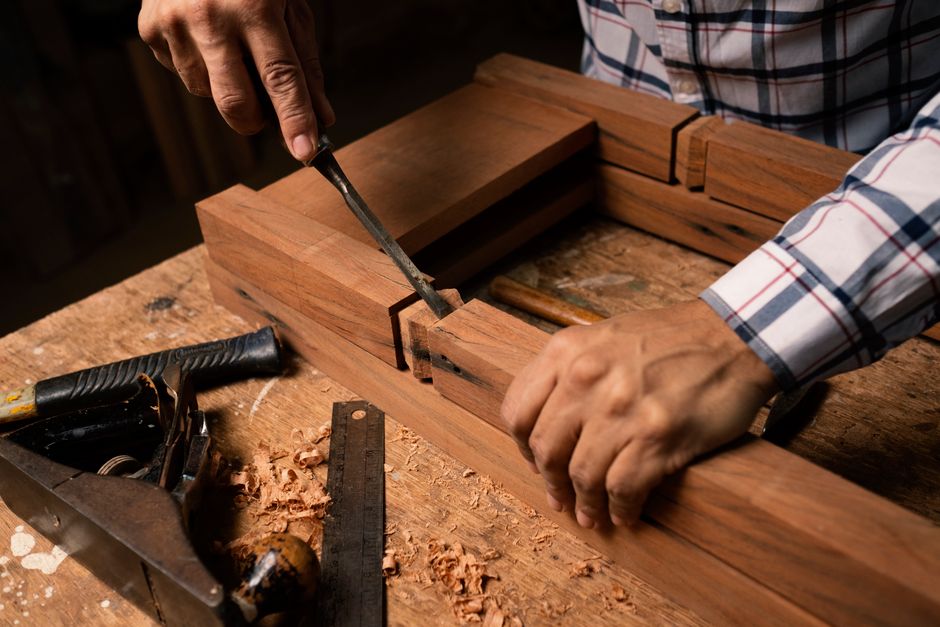
Now that you know why wood accents can be beneficial, let’s look at how to incorporate them into your small bathroom design. You don’t need to be a professional carpenter; with some basic tools and a little creativity, you can achieve stunning results!
Step 1: Selecting the Right Wood
Before you dive into your project, consider the type of wood you want to use:
- Hardwoods: Oak, maple, and cherry are durable and can withstand moisture if treated properly.
- Softwoods: Pine and cedar are lighter and often less expensive but may require more maintenance.
- Reclaimed Wood: Consider using reclaimed wood for a unique look and environmental benefits.
Step 2: Choosing Your Accents
Decide how you want to incorporate wood into your bathroom. Here are some popular options:
- Floating Shelves: Simple to install, floating shelves made from wood can provide storage and display space.
- Wood Trim: Adding wood trim around mirrors, windows, or doors can enhance the overall design.
- Accent Walls: A wood panel accent wall can serve as a stunning focal point in a small bathroom.
- Cabinetry: Consider wooden cabinets or a wooden vanity for a more substantial impact.
Step 3: Planning Your Design
Once you’ve chosen your wood accents, it’s time to plan the design. Here are some tips:
- Measure Your Space: Accurate measurements are crucial to ensure everything fits well.
- Color Coordination: Choose wood tones that complement your existing colors and materials.
- Visual Balance: Distribute wood accents evenly to create a harmonious look.
Step 4: Gathering Basic Tools
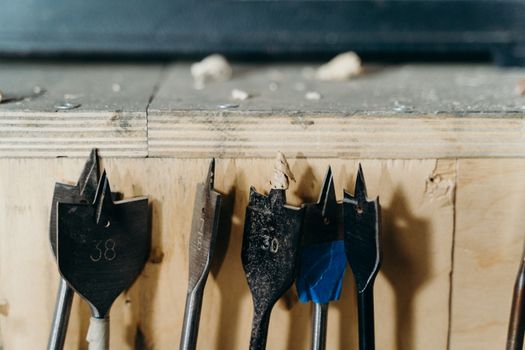
You don’t need a fully stocked workshop to get started. Here’s a list of basic tools you’ll need:
- Measuring tape
- Level
- Drill
- Saw (hand saw or circular saw)
- Sandpaper or sander
- Wood glue
- Paint or wood stain (if desired)
Step 5: Installation
With your design planned and tools ready, it’s time to install your wood accents. Here’s a general process:
- Preparation: Prepare the wood by sanding it down to remove any rough edges. If you’re staining or painting, do this before installation.
- Marking: Use a level to mark where your shelves or trim will go, ensuring they are straight.
- Drilling: Use a drill to create holes for screws or anchors, depending on the weight of the item being installed.
- Assembly: Secure your wood accents in place, ensuring everything is level and stable.
Maintenance Tips
To keep your wood accents looking their best, regular maintenance is key:
- Sealant: Apply a water-resistant sealant to protect against moisture.
- Cleaning: Use a damp cloth to wipe down surfaces; avoid harsh chemicals that can damage the finish.
- Inspection: Regularly check for any signs of wear or damage, especially in high-humidity areas.
Conclusion
Incorporating wood accents into your small bathroom design can elevate the space and add a touch of warmth and style. With some basic tools and a bit of creativity, you can create a beautiful and functional bathroom that reflects your personal taste. For those looking for more detailed plans and ideas, consider checking out resources like Ted Woodworking to inspire your next project.
FAQ
1. Can I use any type of wood in a bathroom?
While you can technically use any wood, it's best to choose moisture-resistant options like teak or cedar for longevity.
2. How do I prevent wood from warping in a humid environment?
Sealing your wood with a high-quality water-resistant finish will help protect it from moisture and prevent warping.
3. Are wood accents expensive to install?
The cost can vary based on the type of wood and the complexity of the project, but many wood accents can be made with affordable materials and basic tools.
📚 Related Articles
🔨 Want 16,000+ Woodworking Plans?
Get instant access to step-by-step plans with blueprints and cut lists.
Get Instant Access →