Introduction
Creating your own furniture for your living room can be a rewarding experience, both creatively and financially. With the right tools, even a novice can craft beautiful pieces that add personality and function to their space. This article will explore essential tools for DIY living room wood projects, focusing on budget-friendly options and cost-saving tips.
Essential Tools for DIY Wood Projects
When embarking on woodworking projects, having the right tools is crucial. Below, we’ll discuss the most essential tools you’ll need to get started without breaking the bank.
1. Hand Tools
- Saw: A quality hand saw or a circular saw is essential for making precise cuts. For budget-conscious builders, a hand saw is a great option to start with.
- Chisels: A set of chisels will help you make finer cuts and create joints. Look for a starter set that includes different sizes for versatility.
- Claw Hammer: A reliable hammer is a must-have for driving nails and assembling your projects.
- Screwdrivers: A set of screwdrivers (both flat-head and Phillips) will be necessary for assembling pieces and applying hardware.
2. Power Tools
- Drill/Driver: A cordless drill is perhaps the most versatile tool you can own. It's perfect for drilling holes and driving screws. Consider purchasing a budget-friendly model that includes a set of bits.
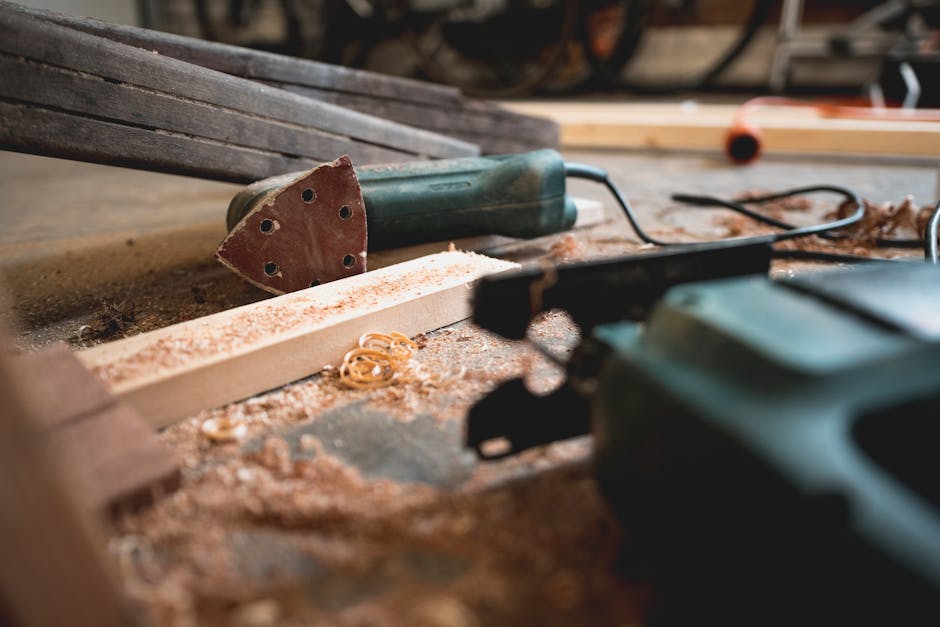
- Sander: A power sander can save you a lot of time and effort. Look for an orbital sander that is affordable yet effective for smoothing surfaces.
- Circular Saw: For larger cuts, a circular saw is a great investment. It allows you to make straight cuts quickly and is generally more affordable than table saws.
3. Measuring and Layout Tools
- Tape Measure: Accurate measurements are crucial in woodworking. A 25-foot tape measure will suffice for most projects.
- Square: A carpenter's square ensures that your cuts are straight and your angles are accurate. This is essential for assembling pieces correctly.
- Pencil: A simple carpenter's pencil or marking knife is vital for marking your cuts on wood.
4. Safety Gear
- Safety Glasses: Protect your eyes while using power tools.
- Dust Mask: A dust mask helps to keep you safe from sawdust and other particles that can be harmful to your lungs.
- Hearing Protection: If you're using loud power tools, consider wearing ear protection to prevent hearing damage.
Choosing Affordable Materials
Once you have the essential tools, the next step is to choose materials that fit your budget without sacrificing quality. Here are some tips for selecting affordable materials for your DIY living room projects:
- Use Plywood: Plywood is often cheaper than solid wood and is available in various grades. It can be used for cabinet construction, shelving, and more.
- Reclaimed Wood: Consider using reclaimed wood from old furniture or pallets. It not only saves money but also adds character to your projects.
- Softwoods: Woods like pine, fir, and cedar are generally more affordable and easier to work with than hardwoods.
- Discount Stores: Check local home improvement stores for clearance items and overstock materials. You can often find great deals on lumber.
Planning Your Projects
Before you start building, having a plan is essential. Resources like Ted Woodworking offer a plethora of plans that cater to various skill levels and styles. Not only do they provide step-by-step instructions, but they also help you estimate the materials and tools needed for each project. Investing in a good set of plans can save you time, effort, and money in the long run.
Conclusion
Building your own living room furniture is not just a cost-effective solution; it’s also an opportunity to express your creativity. By investing in essential tools and choosing affordable materials, you can create beautiful, functional pieces that fit your style and budget. Remember to start small, and gradually take on more complex projects as your skills improve. Happy woodworking!
FAQ
1. What is the best budget-friendly wood for furniture making?
Pine is often the best budget-friendly wood for furniture making due to its affordability, availability, and ease of use.
2. Do I need to buy all the tools at once?
No, you don’t need to buy all the tools at once. Start with the essentials and gradually add to your collection as you take on more projects.
3. Where can I find woodworking plans?
You can find woodworking plans from various resources, including online platforms like Ted Woodworking, which offers a wide range of plans suitable for all skill levels.
📚 Related Articles
🔨 Want 16,000+ Woodworking Plans?
Get instant access to step-by-step plans with blueprints and cut lists.
Get Instant Access →