Introduction
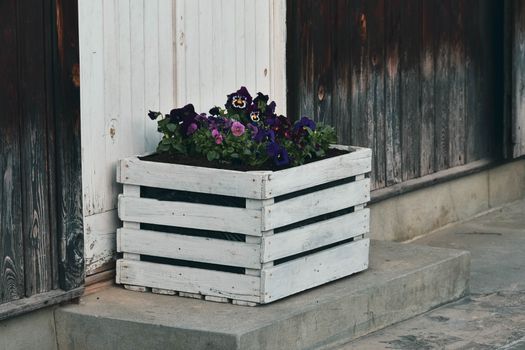
Creating a garden raised bed is an excellent way to grow your own vegetables, herbs, and flowers. Not only does it result in better drainage and soil quality, but it also makes gardening easier on your back. However, one of the most crucial decisions you'll make when building your raised bed is the type of wood to use. In this guide, we will explore the best wood types for garden raised beds, focusing on durability, safety, and cost-effectiveness.
Why Choose the Right Wood?
Using the right type of wood for your raised beds is vital for several reasons:
- Durability: The wood needs to withstand outdoor conditions.
- Safety: Some woods can leach chemicals into the soil.
- Cost: You want to find a balance between quality and expense.
Best Types of Wood for Raised Beds
Now that you understand the importance of choosing the right wood, let's look at the best options available:
Cedar
Cedar is often considered the gold standard for raised beds. It naturally contains oils that resist decay and insect damage, making it a long-lasting choice. Additionally, cedar is lightweight and easy to work with, making it perfect for beginners.
- Pros:
- Natural resistance to rot and insects
- Lightweight and easy to handle
- Beautiful appearance
- Cons:
- More expensive than other options
Redwood
Similar to cedar, redwood also boasts natural resistance to decay and insects. It has a beautiful reddish hue that adds aesthetic appeal to your garden. However, redwood can be more expensive and harder to find than cedar.
- Pros:
- Highly resistant to rot
- Visually appealing
- Cons:
- Higher cost compared to cedar
- Less readily available
Untreated Pine
Untreated pine is one of the most affordable options for building raised beds. While it is not as durable as cedar or redwood, it can last several years if properly maintained. It is essential to note that untreated pine may not be as resistant to pests and rot.
- Pros:
- Cost-effective
- Easy to find
- Cons:
- Shorter lifespan compared to cedar and redwood
- May require regular maintenance
Composite Wood
Composite wood is made from a mixture of recycled plastic and wood fibers. While it is more expensive than traditional wood, it is incredibly durable and resistant to rot, insects, and fading. Composite materials are also eco-friendly, making them an attractive option for environmentally-conscious gardeners.
- Pros:
- Highly durable
- Eco-friendly option
- Cons:
- Higher initial cost
- Heavier than traditional wood
Which Wood Should You Choose?
When deciding on the best wood for your raised garden beds, consider the following factors:
- Your budget: If you have a limited budget, untreated pine may be the best option, but be prepared for maintenance.
- Your location: In more humid regions, cedar or redwood may be preferable due to their rot resistance.
- Your gardening goals: If aesthetics matter to you, redwood or cedar can enhance the beauty of your garden.
Building Your Raised Bed
Once you've selected the type of wood, you can move on to building your raised bed. Here’s a simple step-by-step guide:
- Gather Your Materials: You will need your chosen wood, wood screws, a saw, a drill, and a level.
- Decide on Dimensions: A common size for raised beds is 4 feet by 8 feet, but you can customize it to fit your space.
- Cut the Wood: Cut your wood to the desired lengths for the sides of the raised bed.
- Assemble the Box: Use wood screws to attach the corners, creating a rectangular frame.
- Level the Area: Make sure the ground where you place the raised bed is level.
- Fill with Soil: Use a mix of topsoil, compost, and other organic materials to fill your raised bed.
- Plant Your Garden: Now you’re ready to plant your favorite flowers, vegetables, or herbs!
If you need detailed plans for building your raised bed or other woodworking projects, check out Ted Woodworking, a fantastic resource with numerous plans and tips for woodworking enthusiasts.
Conclusion
Choosing the right type of wood for your garden raised beds is essential for longevity and plant health. Whether you opt for cedar, redwood, untreated pine, or composite wood, each has its unique benefits. By following our simple guide, you can create a beautiful and functional raised bed that will serve you well for years to come.
FAQ
1. How long will untreated pine last in a raised bed?
Untreated pine can last about 3 to 7 years, depending on environmental conditions and maintenance.
2. Can I use treated wood for raised beds?
It is generally not recommended as treated wood can leach chemicals into the soil. If you choose treated wood, make sure it is labeled safe for gardening.
3. Is composite wood a good option for raised beds?
Yes, composite wood is durable and resistant to rot, making it an excellent choice for raised beds, though it comes with a higher price tag.
📚 Related Articles
🔨 Want 16,000+ Woodworking Plans?
Get instant access to step-by-step plans with blueprints and cut lists.
Get Instant Access →