10 Essential Tools for Kitchen DIY Wood Projects
Embarking on kitchen DIY wood projects can be incredibly rewarding, allowing you to create custom furniture that perfectly fits your space and style. However, having the right tools is crucial for success. In this article, we will explore ten essential tools that every DIY kitchen woodworker should have in their arsenal. We will delve into the pros and cons of each tool, ensuring you make an informed decision for your next project.
1. Circular Saw
A circular saw is a versatile cutting tool that can handle a variety of materials and thicknesses. It's perfect for making straight cuts in plywood, lumber, and other sheet goods.
- Pros: Portability, ease of use, and effective for large sheets of wood.
- Cons: Requires a steady hand for straight cuts, and a guide is recommended for precision.
2. Miter Saw
The miter saw is essential for making precise crosscuts and angled cuts, ideal for frames and trim work in your kitchen projects.
- Pros: Accurate cuts, easy to use, and available in compound and sliding models for versatility.
- Cons: Limited to crosscuts and can be bulky, requiring ample workspace.
3. Jigsaw
A jigsaw is perfect for cutting curves and intricate shapes in wood, making it an excellent tool for creative kitchen designs.
- Pros: Versatile for various cuts, lightweight, and easy to maneuver.
- Cons: Less precision than other saws, and can splinter wood if not used correctly.
4. Drill/Driver
Having a reliable drill/driver is essential for drilling holes and driving screws. It's a fundamental tool in any woodworking project.
- Pros: Powerful, battery-operated options available, and essential for assembly.
- Cons: Can be heavy, and some models may lack torque for tougher materials.
5. Router
A router is an invaluable tool for adding decorative edges, hollowing out areas in wood, and creating joints. It’s essential for finishing touches in kitchen cabinetry.
- Pros: Versatile with various bits for different jobs, great for edges and joints.
- Cons: Learning curve for beginners, and can be expensive depending on the model.
6. Table Saw
The table saw is a staple in any woodworking shop, ideal for ripping large sheets of wood accurately and safely.
- Pros: Highly accurate, can handle large projects, and great for repetitive cuts.
- Cons: Takes up significant space, and safety precautions are necessary.
7. Sander
Sanding is essential for achieving a smooth finish on your wood projects. A power sander can save time and effort.
- Pros: Efficient and effective at smoothing surfaces, various types available (orbital, belt, etc.).
- Cons: Can produce dust, and some types may be less effective on edges.
8. Clamps
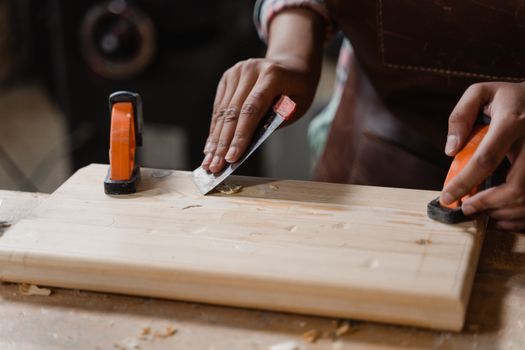
Clamps are critical for holding pieces together while glue dries or during assembly. A variety of clamps can serve different purposes.
- Pros: Essential for accuracy, available in various sizes and types (bar clamps, pipe clamps, etc.).
- Cons: Can be cumbersome, and too much pressure can damage wood.
9. Square and Measuring Tools
Accurate measurements are vital in woodworking projects. A combination square and measuring tape are indispensable for precision.
- Pros: Ensures accurate cuts and joints, lightweight and easy to use.
- Cons: Requires careful handling to avoid inaccuracies.
10. Woodworking Plans
Lastly, having detailed woodworking plans is crucial for any DIY project. Resources like Ted Woodworking offer extensive plans and guides that can simplify the process and enhance your projects.
- Pros: Comprehensive plans for various projects, often include step-by-step instructions.
- Cons: Some plans may require additional tools or skills beyond a beginner's level.
Conclusion
Equipped with these ten essential tools, you’ll be ready to tackle any kitchen DIY wood project with confidence. Each tool plays a unique role in the woodworking process, ensuring that you can create beautiful, functional pieces for your home. Whether you are building cabinets, shelves, or custom furniture, having the right tools will make your project more enjoyable and successful.
FAQ
What is the most important tool for woodworking?
The most important tool can vary based on the project, but generally, a circular saw or a miter saw is considered essential for making accurate cuts.
Can I start woodworking with just a few basic tools?
Yes, you can start woodworking with just a few basic tools like a drill, saw, and measuring tools. As you gain experience, you can expand your toolkit.
Where can I find woodworking plans for my projects?
Resources like Ted Woodworking offer a wide range of plans for various woodworking projects, making it easier for beginners and experienced woodworkers alike.
📚 Related Articles
🔨 Want 16,000+ Woodworking Plans?
Get instant access to step-by-step plans with blueprints and cut lists.
Get Instant Access →