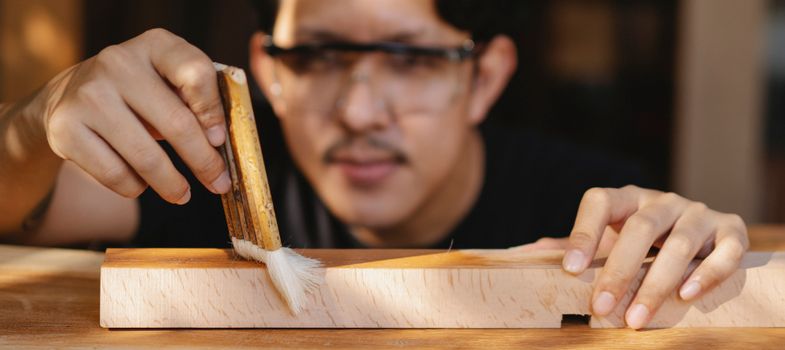
Why You Should Consider DIY Wood Projects for Your Bedroom
The bedroom is one of the most personal spaces in your home, and what better way to make it uniquely yours than by engaging in DIY wood projects? With the right techniques and materials, you can craft stunning pieces that not only enhance the beauty of your bedroom but also reflect your personal style. In this article, we will explore advanced woodworking techniques focusing on joinery, precision, and achieving a professional finish.
The Benefits of DIY Wood Projects
- Customization: Create pieces tailored to your specific needs and aesthetic preferences.
- Quality Materials: Choose high-quality wood and finishes that will last for generations.
- Skill Development: Gain valuable woodworking skills that can be applied to future projects.
- Cost-Effectiveness: Save money compared to buying pre-made furniture from stores.
Advanced Joinery Techniques
Joinery is the heart of furniture construction, and mastering advanced techniques can elevate your DIY projects from ordinary to extraordinary. Here are some key methods to consider:
- Dovetail Joints: Known for their strength and aesthetic appeal, dovetail joints are perfect for drawer construction. They interlock at angles, providing a robust connection that is both functional and beautiful.
- Mortise and Tenon: This classic joint is ideal for framing and offers exceptional strength. By creating a mortise hole in one piece and a tenon that fits snugly into it, you ensure a solid bond.
- Box Joints: Similar to dovetails but with a simpler design, box joints are excellent for creating strong, square corners. They are particularly useful for boxes, cabinets, and chests.
- Biscuit Joints: These joints use oval-shaped biscuits to connect two pieces of wood, making alignment easier and providing additional strength.
Precision is Key
When it comes to woodworking, precision is paramount. Here are some tips to ensure your cuts and joints are accurate:
- Invest in Quality Tools: High-quality saws, chisels, and measuring tools can make a significant difference in the accuracy of your work.
- Measure Twice, Cut Once: This age-old adage is crucial in woodworking. Always double-check your measurements before making any cuts.
- Use a Router for Clean Edges: A router can help you achieve perfectly smooth edges and grooves, enhancing both the functionality and appearance of your projects.
- Practice Makes Perfect: Don't hesitate to practice on scrap wood before attempting your final piece. This will help you refine your techniques and gain confidence.
Achieving a Professional Finish
A professional finish can make or break your project. Here are some tips to help you achieve that showroom quality:
- Sand Properly: Start with a coarser grit and progressively move to finer grits to achieve a smooth surface. Don't skip this step, as it significantly impacts the final finish.
- Choose the Right Stain: Experiment with different stains to find one that complements your bedroom decor. Test on a scrap piece of wood to see how the final color will look.
- Apply Finish Evenly: Whether you're using oil, polyurethane, or lacquer, apply thin, even coats. Allow adequate drying time between coats for the best results.
- Polish for Perfection: Once your final coat is dry, consider polishing the surface with fine steel wool or a polishing compound for an added sheen.
Finding Resources for Your DIY Projects
If you're looking for inspiration and detailed plans for your DIY wood projects, consider utilizing resources like Ted Woodworking. This platform offers an extensive library of woodworking plans that cater to all skill levels, making it easier for you to start your next project with confidence.
Conclusion
Creating your own furniture through DIY wood projects not only allows you to customize your bedroom but also helps you develop advanced woodworking skills. By focusing on joinery techniques, precision, and achieving a professional finish, you can create pieces that will be cherished for years to come. So gather your materials, tackle those advanced techniques, and transform your bedroom into a reflection of your style and craftsmanship.
FAQ
- What tools do I need to start DIY woodworking projects?
Basic tools include a saw, drill, sander, clamps, and measuring tools. As you advance, consider adding a router and specialized joinery tools. - How do I choose the right wood for my projects?
Consider the intended use and aesthetic. Hardwoods like oak and maple are durable and visually appealing, while softer woods like pine are easier to work with. - Can I learn woodworking techniques online?
Absolutely! There are numerous online resources, including video tutorials, forums, and detailed plans available through platforms like Ted Woodworking.
📚 Related Articles
🔨 Want 16,000+ Woodworking Plans?
Get instant access to step-by-step plans with blueprints and cut lists.
Get Instant Access →