Understanding Pine as a Wood Choice
Pine is a popular choice among woodworkers and DIY enthusiasts, especially when it comes to crafting home office furniture. Its affordability, availability, and ease of work make it an appealing option. In this article, we will explore when to choose pine over other woods for your home office furniture projects, along with the tools that can help you achieve the best results.
Advantages of Using Pine
There are several advantages to using pine for home office furniture:
- Cost-Effective: Pine is generally less expensive than hardwoods, making it a budget-friendly choice for furniture projects.
- Lightweight: Compared to other woods, pine is relatively lightweight, which makes it easier to move and assemble furniture pieces.
- Workability: Pine is a softwood, which means it is easier to cut, shape, and sand. This is particularly beneficial for beginners.
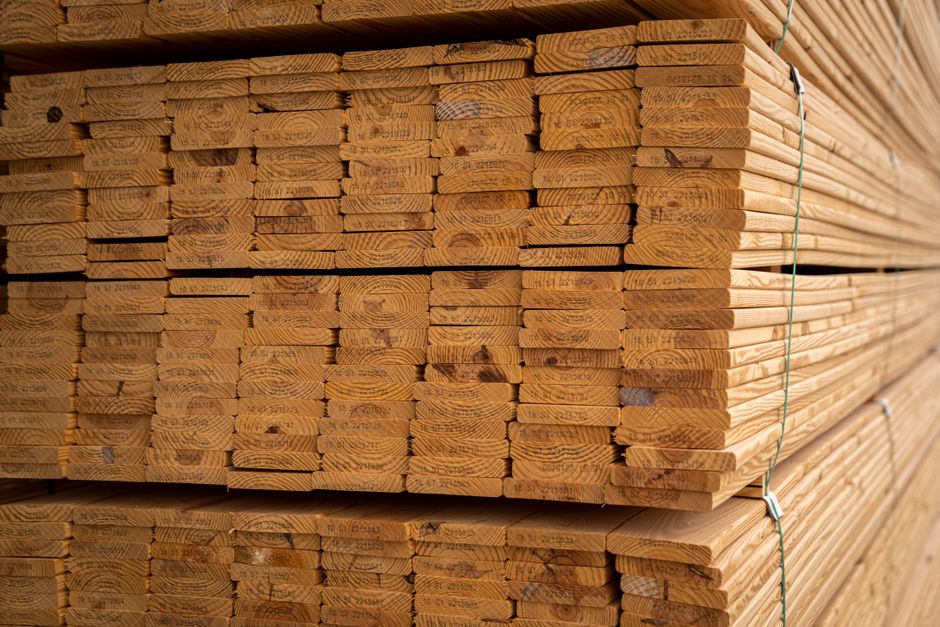
- Availability: Pine is widely available at most lumber yards and home improvement stores, often in various grades and finishes.
- Aesthetic Appeal: Pine has a warm, natural look with a light color that can be stained or painted to match any decor.
When to Choose Pine Over Other Woods
While pine has many benefits, there are specific scenarios where it is the preferred choice for home office furniture:
1. Budget Constraints
If you are working on a tight budget, pine is an ideal choice. Hardwoods like oak, maple, or cherry can be significantly more expensive. Choosing pine allows you to create beautiful furniture without breaking the bank.
2. DIY Projects
For DIY enthusiasts or beginners, pine is an excellent option due to its ease of workability. You can use basic hand tools or power tools to create stunning pieces with relative ease. If you’re looking for plans, consider checking out Ted Woodworking for comprehensive guides and designs.
3. Lightweight Furniture Needs
If your home office requires furniture that is easy to move or reconfigure, pine is a great choice. Its lightweight nature makes it easier to adjust your workspace as needed.
4. Rustic or Casual Aesthetic
If you want to achieve a rustic or casual look in your home office, pine can be the perfect choice. Its knots and grain patterns add character and warmth to any space.
5. Temporary or Transitional Pieces
If you are furnishing a temporary workspace or transitioning to a different design style, pine is an excellent choice. It is easy to paint or stain, allowing for quick updates as your style evolves.
Tools Recommended for Working with Pine
To maximize your woodworking experience with pine, having the right tools is crucial. Here are some recommended tools along with their pros and cons:
1. Circular Saw
A circular saw is a versatile tool for cutting pine sheets and boards.
- Pros: Easily cuts through thick and thin pieces; portable; can be used for various materials.
- Cons: Requires careful handling; may require additional safety equipment.
2. Jigsaw
A jigsaw is perfect for making intricate cuts and curves.
- Pros: Great for detailed work; easy to control; ideal for decorative pieces.
- Cons: Less effective for long straight cuts; may require practice to master.
3. Orbital Sander
An orbital sander is essential for achieving a smooth finish on pine furniture.
- Pros: Quick and efficient; reduces the risk of sanding marks; easy to use.
- Cons: Can be relatively noisy; requires proper sanding discs.
4. Chisels
Quality chisels are vital for fine detail work and joinery.
- Pros: Allows for precision work; can create clean joints; long-lasting when maintained well.
- Cons: Requires practice to use effectively; must be kept sharp.
5. Wood Glue
Using a strong wood glue is crucial for assembling your furniture pieces.
- Pros: Creates strong bonds; easy to apply; dries clear.
- Cons: Requires clamping time; can be messy if not applied carefully.
Finishing Your Pine Furniture
Once your furniture is built, finishing is essential to protect the wood and enhance its appearance. You can choose to stain, paint, or apply a clear coat. Each option has its pros and cons:
- Stain: Enhances the natural grain; available in various colors; requires a clear topcoat for protection.
- Paint: Offers unlimited color options; can mask imperfections; requires good surface preparation.
- Clear Coat: Provides a natural look while protecting the surface; can be glossy or matte; may require multiple coats.
Conclusion
Pine is a versatile, cost-effective choice for home office furniture. Whether you're a seasoned woodworker or a beginner, understanding when to choose pine and having the right tools can significantly enhance your woodworking projects. If you're looking for quality plans to guide your builds, consider exploring Ted Woodworking for inspiration and detailed instructions.
FAQ
1. Is pine durable enough for office furniture?
Yes, pine is durable for office furniture, especially when properly finished and cared for. However, it is softer than hardwoods, so it may be more prone to dents and scratches.
2. Can I paint pine furniture?
Absolutely! Pine takes paint well, allowing you to customize your furniture to match your home office decor.
3. How can I prevent pine from warping?
Prevent warping by properly drying the wood before use, applying finish, and maintaining a stable humidity level in your workspace.
📚 Related Articles
🔨 Want 16,000+ Woodworking Plans?
Get instant access to step-by-step plans with blueprints and cut lists.
Get Instant Access →