Introduction
Renovating your bathroom can be an exciting project, and incorporating salvaged wood can add a unique charm and character to the space. However, many beginners wonder if it’s suitable for a bathroom environment. In this article, we’ll explore everything you need to know about using salvaged wood for bathroom renovations, ensuring you can make informed decisions while keeping things simple.
Understanding Salvaged Wood
Salvaged wood is recycled timber retrieved from old buildings, discarded furniture, or even industrial sites. It’s not only eco-friendly but also rich in history and character. Before diving into your renovation project, let’s discuss some key points to consider.
Benefits of Using Salvaged Wood
- Environmental Impact: Using salvaged wood helps reduce waste and promotes sustainable practices.
- Unique Aesthetic: Each piece of salvaged wood has its own story, adding distinct character to your bathroom.
- Quality: Many salvaged woods are from old-growth trees, often stronger and more durable than modern lumber.
Challenges of Using Salvaged Wood in Bathrooms
- Moisture Levels: Bathrooms are naturally humid environments, which can lead to warping, mold, or decay.
- Preparation Required: Salvaged wood may require additional treatment or sealing to make it suitable for bathroom use.
- Cost and Availability: Depending on where you source your wood, it may be more expensive or harder to find than new lumber.
Choosing the Right Salvaged Wood
When selecting salvaged wood for your bathroom renovation, consider the following:
Types of Wood
- Hardwoods: Oak, maple, and cherry are excellent choices due to their durability and resistance to moisture.
- Softwoods: Pine and cedar can be used but may require more treatment to withstand humidity.
- Wood Condition: Look for wood that is free from rot and insect damage.
Where to Source Salvaged Wood
- Reclaimed Wood Suppliers: Many businesses specialize in reclaimed wood, providing a variety of options.
- Salvage Yards: Local salvage yards often have a selection of materials from deconstructed buildings.
- Online Marketplaces: Websites like Craigslist or Facebook Marketplace can be useful for finding salvaged wood.
Preparing Salvaged Wood for Bathroom Use
Once you’ve chosen your salvaged wood, it’s crucial to prepare it properly before installation. Here’s a simple, step-by-step guide:
Step 1: Inspect the Wood
Check for signs of damage, such as rot, mold, or pest infestation. If you find any, it’s best to discard that piece.
Step 2: Clean the Wood
Use a stiff brush to remove dirt and debris. For tougher stains, a mixture of water and mild soap can be used, but ensure the wood is completely dry afterward.
Step 3: Sand the Surfaces
Using a hand sander or sandpaper (start with 80-grit and finish with 220-grit), smooth the surfaces to prepare for sealing. This step also helps to remove any old finishes or contaminants.
Step 4: Treat for Moisture Resistance
Apply a moisture-resistant sealant or wood finish suited for bathrooms. Products like polyurethane, marine varnish, or specific wood oils can provide an effective barrier against humidity.
Step 5: Allow to Cure
Let the sealant cure according to the manufacturer's instructions to ensure maximum protection.
Installation Tips for Salvaged Wood in Bathrooms
Now that your wood is ready, here are some installation tips to help you succeed:
- Plan Your Layout: Sketch out your design before cutting or installing anything to ensure a smooth process.
- Use Basic Tools: A saw, drill, measuring tape, level, and screws are the essentials needed for most installations.
- Ensure Proper Ventilation: Good airflow in the bathroom can help minimize moisture accumulation.
Design Ideas Using Salvaged Wood
Here are a few creative ways to use salvaged wood in your bathroom renovations:
- Vanity Tops: Create a stunning vanity using a slab of salvaged wood.
- Shelving: Install reclaimed wood shelves for an attractive and functional storage solution.
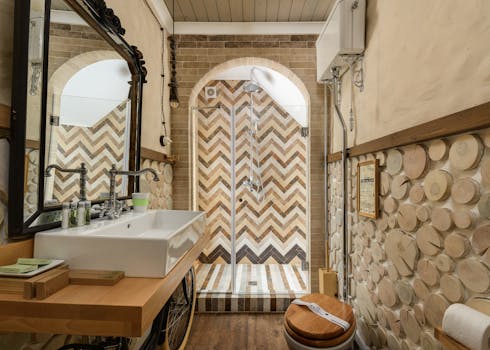
- Accent Walls: Use salvaged wood to create a focal point with an accent wall.
Finding Plans and Resources
If you’re looking for step-by-step plans for your bathroom renovation or specific projects, consider checking out Ted Woodworking. This resource offers a vast collection of woodworking plans that can help guide you through your projects.
Conclusion
Using salvaged wood for bathroom renovations can be a rewarding experience, providing both beauty and sustainability. By understanding the benefits and challenges, preparing the wood properly, and using basic tools, you can successfully incorporate this unique material into your space. Happy woodworking!
FAQ
1. Is salvaged wood safe to use in bathrooms?
Yes, as long as it is properly treated and sealed to protect against moisture.
2. How can I ensure the salvaged wood is free from pests?
Inspect the wood thoroughly for any signs of insects and consider using a pest treatment before installation.
3. What tools do I need to work with salvaged wood?
Basic tools like a saw, drill, sander, and measuring tape are often sufficient for most projects.
📚 Related Articles
🔨 Want 16,000+ Woodworking Plans?
Get instant access to step-by-step plans with blueprints and cut lists.
Get Instant Access →