Introduction
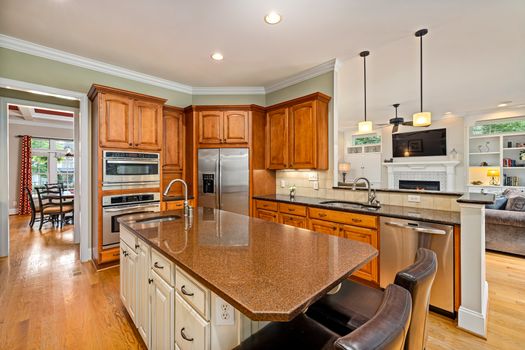
Designing a functional kitchen layout that maximizes wood storage requires careful planning and advanced woodworking techniques. In this article, we will explore how to create a kitchen space that is not only aesthetically pleasing but also highly functional. We will discuss woodworking joinery methods, precision in measurements, and achieving a professional finish that enhances the overall design.
Understanding Your Space
Before diving into design, it's essential to analyze the space available in your kitchen. Consider the following:
- Room Dimensions: Measure the height, width, and length of your kitchen.
- Existing Features: Identify the location of windows, doors, plumbing, and electrical outlets.
- Workflow: Evaluate the kitchen work triangle, which connects the stove, sink, and refrigerator for optimal workflow.
Choosing the Right Wood
Selecting the right type of wood is crucial for durability and aesthetics. Hardwoods like oak, maple, and cherry are popular choices due to their strength and beautiful grain patterns. When choosing wood, consider:
- Grain Pattern: Select wood with a grain that complements the overall style of your kitchen.
- Finish: Different woods respond uniquely to stains and finishes, affecting the final appearance.
- Cost: Factor in your budget while selecting high-quality materials.
Advanced Joinery Techniques
Joinery is the backbone of any woodworking project, especially in a kitchen where durability is paramount. Here are some advanced joinery techniques to consider:
Dovetail Joints
Dovetail joints are known for their strength and visual appeal. They are ideal for drawers and cabinets. To create them:
- Use a dovetail jig for precision cutting.
- Ensure your wood pieces are cut to exact measurements for a tight fit.
- Glue together the joints for added strength.
Mitered Corners
Mitered corners can give your cabinetry a sleek, professional look. To achieve this:
- Cut both pieces of wood at a 45-degree angle.
- Use a table saw for precision cuts.
- Apply wood glue and clamp until dry for a seamless finish.
Mortise and Tenon Joints
This traditional joinery method is excellent for constructing sturdy frames. Steps include:
- Mark and drill the mortise holes accurately.
- Create tenons that fit snugly into the mortises.
- Use a combination of glue and dowels for added security.
Maximizing Storage Solutions
Incorporating effective storage solutions is crucial for a functional kitchen. Here are some advanced ideas:
Pull-Out Cabinets
Pull-out cabinets can save space and improve access to items stored deep within your kitchen. To build:
- Use full-extension slides for easy access.
- Ensure the cabinet is built to accommodate the slides accurately.
- Finish with a high-quality veneer for a polished look.
Vertical Storage
Utilizing vertical space can significantly increase storage capacity. Consider:
- Installing tall cabinets that reach the ceiling.
- Incorporating open shelving for frequently used items.
- Using pegboards or magnetic strips for hanging utensils.
Creating a Professional Finish
A professional finish can elevate the entire kitchen design. Follow these steps to achieve a flawless look:
- Sand: Start with coarse-grit sandpaper and progressively move to finer grits for a smooth surface.
- Stain: Apply stain evenly with a foam brush, wiping off excess for a consistent hue.
- Seal: Use a high-quality polyurethane or varnish for durability and shine.
Resources for Planning Your Kitchen
For those looking for detailed plans and woodworking guidance, Ted Woodworking offers a plethora of resources that cater to all skill levels. Their comprehensive plans can help streamline your kitchen project, ensuring you have the right tools and techniques at your disposal.
Conclusion
Designing a functional kitchen layout with efficient wood storage is an art that combines creativity with advanced woodworking techniques. By focusing on precision in joinery, selecting the right materials, and achieving a professional finish, you can create a space that is both beautiful and practical. Whether you are a seasoned woodworker or a DIY enthusiast, these tips will help you craft a kitchen that meets your needs and reflects your style.
FAQs
What type of wood is best for kitchen cabinets?
Hardwoods like oak, maple, and cherry are ideal for kitchen cabinets due to their durability and aesthetic appeal.
How can I maximize storage in a small kitchen?
Consider pull-out cabinets, vertical storage solutions, and utilizing every nook and cranny with smart organization techniques.
What finish is recommended for kitchen furniture?
A high-quality polyurethane or varnish is recommended for kitchen furniture to ensure durability and resistance to moisture and stains.
📚 Related Articles
🔨 Want 16,000+ Woodworking Plans?
Get instant access to step-by-step plans with blueprints and cut lists.
Get Instant Access →