Introduction
In recent years, sustainability has become a vital consideration in home design, especially when creating spaces like the bathroom. Choosing eco-friendly materials not only benefits the environment but also enhances your home's aesthetics and air quality. In this article, we will explore the best eco-friendly wood choices for your sustainable bathroom design, along with some practical tips for woodworking beginners.
Why Choose Eco-Friendly Wood?
Eco-friendly wood options have numerous advantages:
- Reduced Environmental Impact: Sustainable woods are harvested responsibly, ensuring minimal damage to forests and ecosystems.
- Healthier Indoor Air Quality: These woods are often free from harmful chemicals and adhesives found in processed materials.
- Durability: Many sustainable woods are sturdy and long-lasting, making them ideal for bathroom use.
Top Eco-Friendly Wood Choices for Your Bathroom
Here are some of the best eco-friendly wood options you can consider for your bathroom projects:
Bamboo
Bamboo is a grass, not a traditional wood, but it is one of the best sustainable materials available. It grows rapidly and can be harvested every 3-5 years.
- Water-Resistant: Bamboo has natural water-resistant properties, making it a great option for bathroom use.
- Lightweight and Strong: Its strength-to-weight ratio makes it easy to work with while providing durability.
Cedar
Cedar is another excellent choice for a bathroom due to its resistance to moisture and decay. It has a lovely aroma and beautiful grain patterns.
- Mold Resistant: Cedar naturally resists mold and mildew, making it perfect for humid environments.
- Lightweight: It is easy to handle and work with, even for beginners.
Reclaimed Wood
Reclaimed wood is salvaged from old buildings, furniture, and other sources. It is eco-friendly as it reuses materials that would otherwise go to waste.
- Unique Character: Each piece of reclaimed wood has its own history and charm, adding a rustic touch to your bathroom.
- Less Energy Consumption: Using reclaimed wood reduces the need for new lumber, conserving energy and resources.
Maple
Hard maple is a sustainable choice that is both beautiful and strong. It has a light color that can brighten up any bathroom.
- Durable: Maple is known for its hardness, making it resistant to dents and scratches.
- Easy to Finish: It takes stains and finishes well, allowing for versatile design options.
Poplar
Poplar is an affordable and sustainable hardwood that is easy to work with, making it perfect for beginners.
- Versatile: Poplar can be painted or stained, allowing for customization in your bathroom decor.
- Lightweight: Its lightweight nature makes it easy to handle and manipulate during projects.
Basic Tools for Woodworking in Your Bathroom
Before diving into your bathroom project, it's essential to have the right tools on hand. Here are some basic tools that will help you get started:
- Measuring Tape: Accurate measurements are crucial for any woodworking project.
- Hand Saw or Circular Saw: These will help you make clean cuts in your chosen wood.
- Drill: A drill is necessary for making holes, especially if you are installing shelves or cabinets.
- Sander: A sander will smooth out rough edges, giving your project a finished look.
- Wood Glue: This is essential for joining pieces of wood together securely.
- Paint or Stain: To finish your project, choose an eco-friendly paint or stain that enhances the wood's natural beauty.
Step-by-Step Guide to Building a Simple Bathroom Shelf
Now that you know your wood options and tools, here’s a simple step-by-step guide to building a bathroom shelf:
- Choose Your Wood: Select one of the eco-friendly woods discussed above, such as bamboo or reclaimed wood.
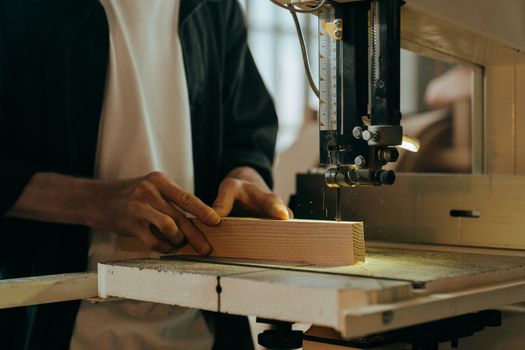
- Measure and Cut: Decide on the dimensions of your shelf and use a measuring tape to mark your wood. Cut the wood pieces to size using a hand saw or circular saw.
- Sand the Edges: Use a sander to smooth out any rough edges on your cut pieces.
- Assemble the Shelf: Use wood glue to join the pieces together. You can use clamps to hold them in place while the glue dries.
- Drill Holes for Wall Mounting: Once the glue is dry, drill holes in the back of the shelf for wall mounting.
- Finish the Wood: Apply an eco-friendly paint or stain to protect your shelf and enhance its appearance.
- Install the Shelf: Use screws and wall anchors to install your new shelf in the desired location.
Final Thoughts
Building eco-friendly furniture for your bathroom not only contributes to a sustainable environment but also enhances the beauty of your space. By choosing the right wood and following simple woodworking steps, even beginners can create stunning, functional pieces. For more detailed woodworking plans, consider resources like Ted Woodworking, which can provide inspiration and guidance for your next project.
FAQ
1. What are some other eco-friendly materials I can use in my bathroom design?
In addition to wood, consider using bamboo, recycled tiles, and natural stone, as well as low-VOC paints and finishes.
2. How can I ensure the wood I choose is truly eco-friendly?
Look for certifications like the Forest Stewardship Council (FSC) label, which indicates that the wood is sourced sustainably.
3. Can I use reclaimed wood for bathroom projects?
Yes, reclaimed wood is an excellent choice for bathrooms, as it adds character and is often more resistant to moisture than new wood.
📚 Related Articles
🔨 Want 16,000+ Woodworking Plans?
Get instant access to step-by-step plans with blueprints and cut lists.
Get Instant Access →